Building care is the steady, unglamorous work of keeping a property clean, safe, and in good condition so that small problems never grow into expensive ones. In the UAE, where heat, humidity, and dust put buildings under constant strain, that regular attention matters more than almost anywhere else. This guide explains what building care covers, how it differs from full facilities management, what it typically costs, and how to arrange it for an apartment, a villa, or a whole block.
The short version
Building care is the routine upkeep of a property's fabric and shared areas: cleaning, minor repairs, safety checks, and preventive attention to systems like AC and plumbing.
It sits between one-off handyman jobs and a full facilities management contract, and it is often the right level for a villa, a small building, or an owner who wants steady maintenance without a heavy contract.
UAE conditions drive the work: summer AC load, humidity and mould risk, dust, and hard water all make regular care essential rather than optional.
Costs vary by property size, scope, and location, from per-visit handyman rates to annual contracts, so always get a written quote. Prices differ sharply between an apartment and a villa.
What building care actually means
Building care is a practical, ongoing programme of upkeep that keeps a property functioning and comfortable. It is not a single service so much as a bundle of small, regular ones: cleaning of shared and private areas, minor repairs before they become major, seasonal servicing of air-conditioning, checks on plumbing and drainage, and attention to safety fittings such as smoke detectors and emergency lighting. The goal is continuity, catching wear early and keeping everything working rather than reacting to breakdowns.
The idea overlaps with maintenance and with facilities management, but the emphasis is different. Building care leans toward the day-to-day condition and cleanliness of a property, the things residents and visitors actually see and feel, backed by the preventive checks that stop those things from failing.
Building care versus facilities management
These terms are often used loosely, so it helps to draw the line clearly. Facilities management is the coordinated, contract-driven management of a whole building, its systems, budgets, compliance, and multiple service suppliers, usually for a tower, mall, or community. Our facilities management guide explains that model in full, and large providers such as those covered in our Farnek company guide operate at that scale.
Building care is lighter and more hands-on. It is the right level when you want a property kept in good order without the overhead of a formal FM programme: a villa owner arranging regular upkeep, a small building that does not need a full contract, or a landlord keeping units between tenancies. For the repair side of building care, our building maintenance guide goes deeper into the technical work involved.
What a building care programme covers
A sensible programme is organised around how often each task needs doing. Grouping the work this way keeps costs predictable and nothing slips through the gaps.
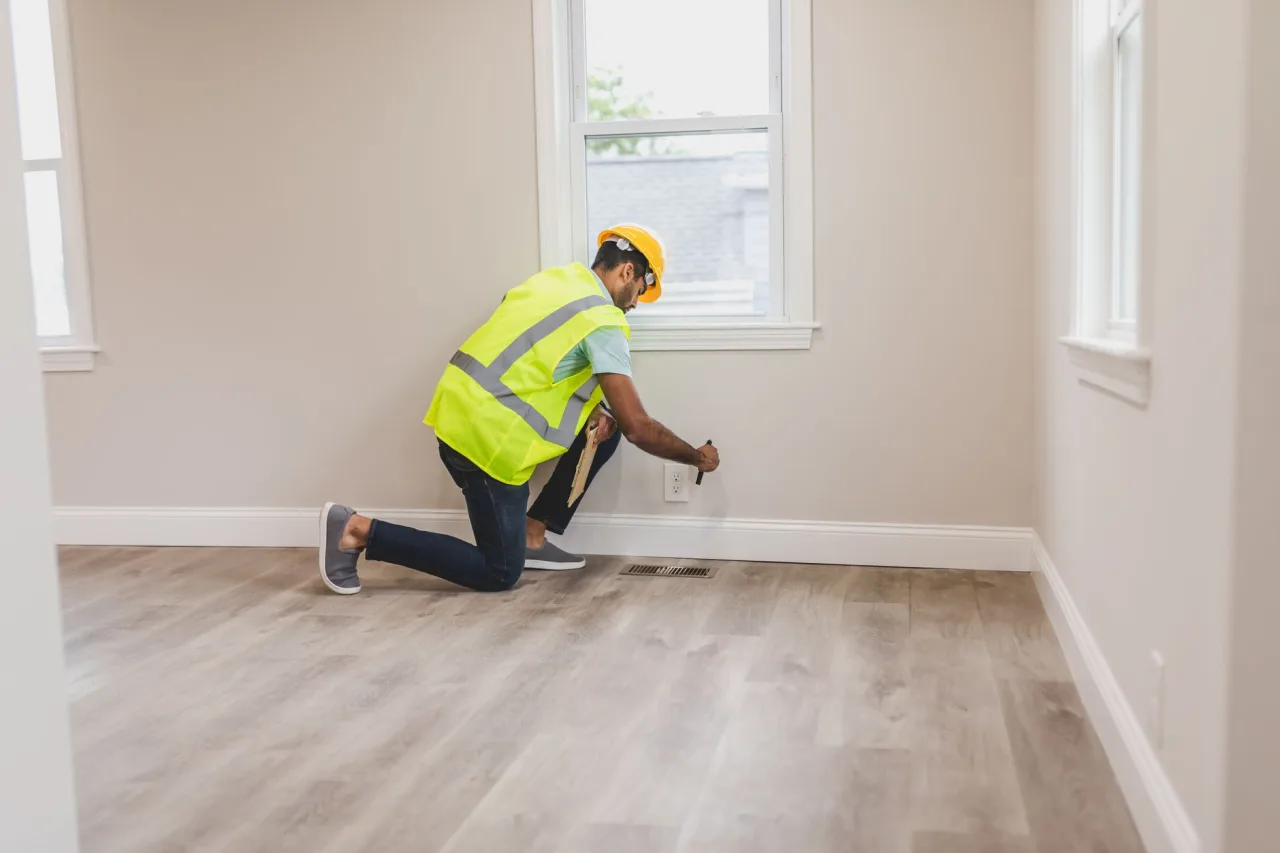
Routine, weekly or monthly: cleaning of shared areas, corridors, and common bathrooms, waste handling, checking lighting, and a quick visual sweep for leaks or damage.
Seasonal, quarterly or twice a year: AC servicing before summer, drain and gutter checks before any rain, testing smoke detectors, and inspecting seals and grouting where humidity collects.
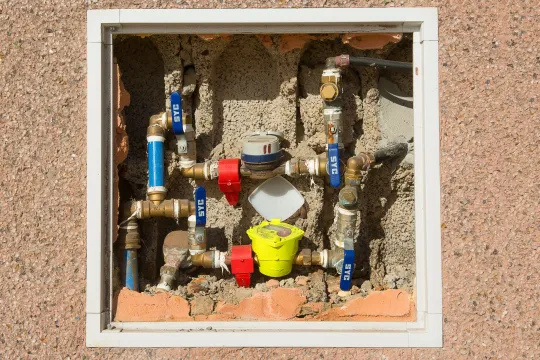
Annual: a fuller inspection of the fabric, water tanks, pumps, and electrical distribution, plus deeper cleaning of facades or windows where access allows.
Reactive: the repairs that come up between scheduled visits, handled quickly so they do not escalate.
The single most valuable element is the preventive layer. A structured schedule of planned preventative maintenance reduces breakdowns by servicing assets before they fail, which is far cheaper than emergency callouts and replacements.
Why UAE conditions make building care essential
The Emirates put buildings under stresses that milder climates do not. Understanding them explains why regular care is not a luxury here.
Summer AC load: air-conditioning runs almost continuously for months, so filters clog, drains block, and units wear faster. Neglected AC loses efficiency, raises bills, and can fail at the worst possible time.
Humidity and mould: coastal humidity combined with cold AC surfaces creates condensation, which feeds mould in bathrooms, around ducts, and behind furniture. Regular checks catch it early, and our mould removal guide covers what to do when it appears.
Dust: fine desert dust settles constantly, clogging filters and coating surfaces, so cleaning cadence has to be higher than you might expect.
Hard water: mineral-rich water scales taps, heaters, and pipes over time, which regular descaling and checks help manage.
Tip: Book AC servicing before the summer peak, not during it. Once temperatures climb, technicians are stretched, and a unit that fails in July is both harder to get fixed quickly and more miserable to live with. A pre-summer service is the highest-value item on any UAE building care calendar.
What building care costs in the UAE
There is no single price for building care because the scope ranges from a single handyman visit to an annual multi-service contract. What follows is a framework, not a quote, and figures vary by property size, provider, and location. An apartment and a villa sit at very different points on the scale.
Per-visit or hourly: occasional handyman work is often charged per hour or per job, plus any callout fee. This suits owners who only need care now and then.
Monthly retainer: a set monthly fee for an agreed cadence of visits, common for villas and landlords who want steady upkeep.
Annual contract: a fixed annual fee covering a defined scope, typically for larger properties or small buildings, sometimes comprehensive to include parts and sometimes billing materials separately.
Apartments usually cost less to care for than villas simply because there is less area, no private garden or pool, and shared systems are handled at building level through service charges. Villas carry more because the owner is responsible for the whole property, including outdoor space and standalone AC. Whatever the model, prices vary by property size, provider, and location, so get a written quote and confirm what is included before committing.
DIY building care versus hiring a pro
Plenty of building care is genuinely do-it-yourself: replacing AC filters, clearing visible drain debris, testing smoke-detector batteries, tightening loose fittings, and keeping surfaces clean and dry. Doing these yourself between professional visits stretches your budget and keeps you aware of the property's condition.
Some work should always go to a licensed professional, though. Electrical work, gas, structural repairs, working at height on facades or high windows, and anything involving regulated systems carry real safety and legal risk. In the UAE, only appropriately licensed tradespeople should carry out this work, and using unlicensed labour can void warranties and insurance and create liability if something goes wrong.
How to arrange building care
Setting up a reliable arrangement is straightforward if you approach it deliberately.
List what your property needs, split into routine, seasonal, and annual tasks.
Decide the level: occasional handyman visits, a monthly retainer, or an annual contract.
Request written quotes from at least two licensed providers against the same scope.
Check that the trade licence covers every service, especially AC, electrical, and plumbing.
Agree response times for reactive repairs and how emergencies are handled.
Keep a simple log of what was done and when, so patterns and recurring issues are visible.
For the wider context of housing upkeep and tenancy responsibilities in the country, the UAE government's housing services portal is a useful reference, and general background on the discipline is covered in references on facility management.
Frequently asked questions
What is building care?
Building care is the routine, ongoing upkeep of a property: cleaning of shared and private areas, minor repairs before they become major, seasonal servicing of systems like AC and plumbing, and preventive safety checks. The aim is to keep a building clean, safe, and in good condition continuously, catching wear early rather than reacting only to breakdowns.
How is building care different from facilities management?
Facilities management is the coordinated, contract-driven management of a whole building, including its systems, budgets, compliance, and multiple suppliers, usually for towers, malls, or communities. Building care is lighter and more hands-on, focused on day-to-day condition and cleanliness. It suits a villa owner, a small building, or a landlord who wants steady upkeep without a full facilities management contract.
How much does building care cost in the UAE?
There is no single price. Occasional handyman work is often charged per hour or per job plus a callout fee, a monthly retainer covers an agreed cadence of visits, and an annual contract covers a defined scope for a fixed fee. Villas generally cost more than apartments because of the larger area and outdoor space. Costs vary by property size, provider, and location, so always get a written quote.
Why is regular building care so important in the UAE?
UAE conditions are hard on buildings. Air-conditioning runs almost continuously in summer, humidity encourages mould, fine desert dust clogs filters and coats surfaces, and hard water scales pipes and heaters. Regular care catches these problems early, keeps systems efficient, and prevents small issues from turning into expensive failures, particularly with AC and plumbing.
What building care can I do myself, and what needs a professional?
You can safely replace AC filters, clear visible drain debris, test smoke-detector batteries, tighten loose fittings, and keep surfaces clean and dry. Electrical work, gas, structural repairs, working at height, and regulated systems should always go to a licensed professional. In the UAE, using appropriately licensed tradespeople protects your safety, warranties, and insurance.
Note: This article is general guidance. Pricing is described in general terms, not as quotes, and actual costs vary widely by property size, scope, service level, and location. Always confirm a provider's trade licence and get the scope in writing before work begins, and use licensed professionals for electrical, gas, structural, and working-at-height tasks.