Mold Cleaning: UAE Guide
A complete UAE guide to mould cleaning: why it grows, how to clean small patches safely, when to hire a pro, and how to stop it coming back.
Jul 17, 2026
Read
Mold & Damp · Maintenance & Home (General)
Humidity plus air-conditioning makes mold common here. The fix is removal and moisture control together, not one without the other.
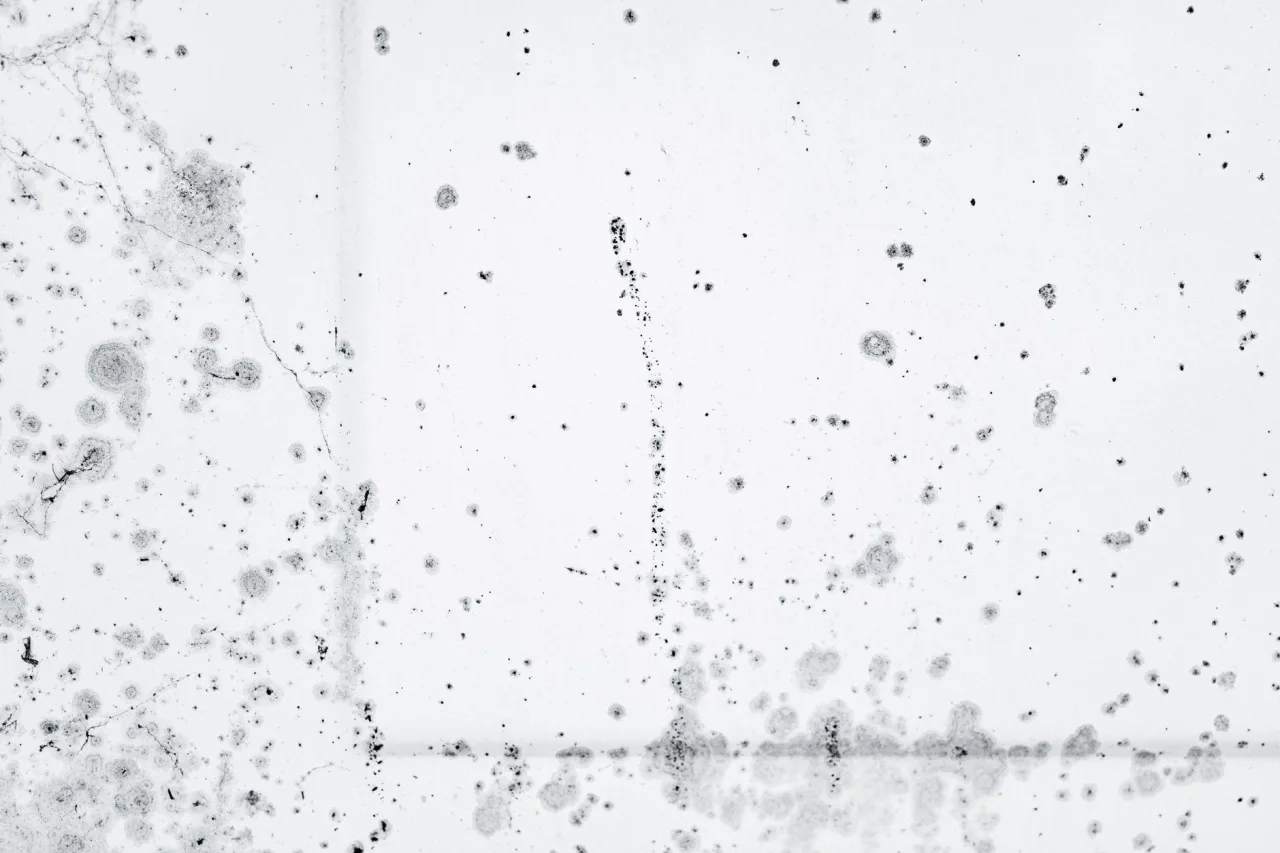
Mold, also spelled mould, is a common and frustrating problem in UAE homes, where coastal humidity meets cold air-conditioned surfaces and creates exactly the damp conditions mold loves. Left alone it spreads, damages surfaces, and can affect indoor air quality. This guide explains what causes mold here, how to remove small patches safely yourself, when the job needs a professional, what removal costs, and, most importantly, how to stop it coming back.
The short version
Mold needs moisture, warmth, and a surface to grow on, and UAE homes supply all three. The humidity along the coast is high for much of the year, and when that moist air meets surfaces chilled by air-conditioning, condensation forms, on windows, around AC vents, on cold external walls, and inside ducts. That condensation is the water source mold needs. Add the warmth and the dust that settles on every surface, and the conditions are close to ideal.
This is why mold in the Emirates is so often linked to air-conditioning. An AC unit that drips, a duct that sweats, or a room that is cooled hard while poorly ventilated will grow mold faster than a drier, better-aired space. Understanding this is the key to both removing it and keeping it away.
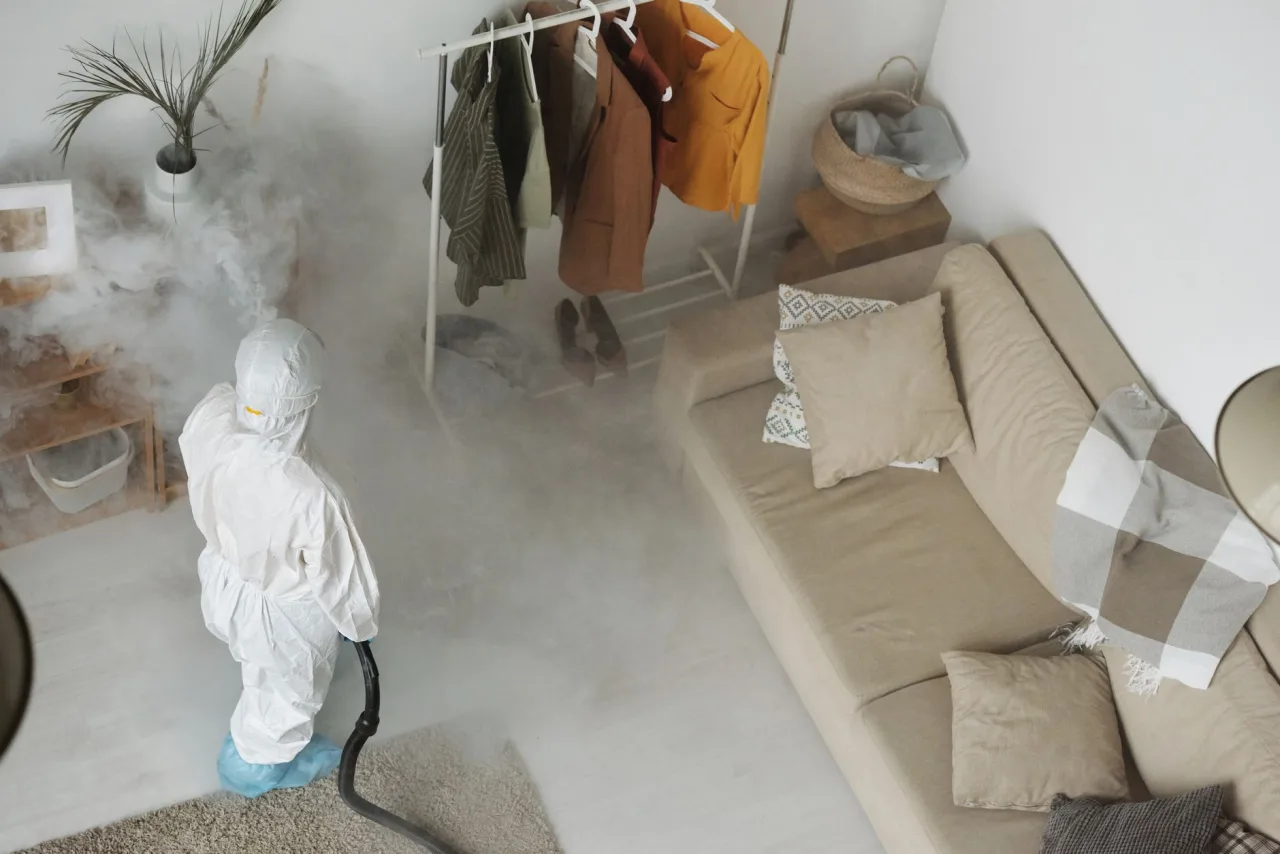
Knowing the usual hotspots helps you catch mold early, when it is still a small job.
If you are finding mold repeatedly around your air-conditioning, the ducts themselves may need attention. Our guide to AC duct cleaning covers that specific job, which often goes hand in hand with mold control.
Small patches of surface mold on hard, non-porous materials are usually within reach of a careful homeowner. General guidance from the US Environmental Protection Agency on mold cleanup suggests that areas smaller than roughly ten square feet, a little under one square metre, can often be handled without professional help, by scrubbing mold off hard surfaces with detergent and water and drying completely.
A safe DIY approach looks like this:
This overlaps with routine cleaning, and our mold cleaning guide goes further into products and technique for surface patches you can handle yourself.
Warning: Do not just paint over mold or wipe it away and forget it. Painting traps it and it grows back through the paint, and wiping without fixing the moisture source only buys a few weeks. Removal and moisture control have to happen together, or you are treating the symptom and leaving the cause.
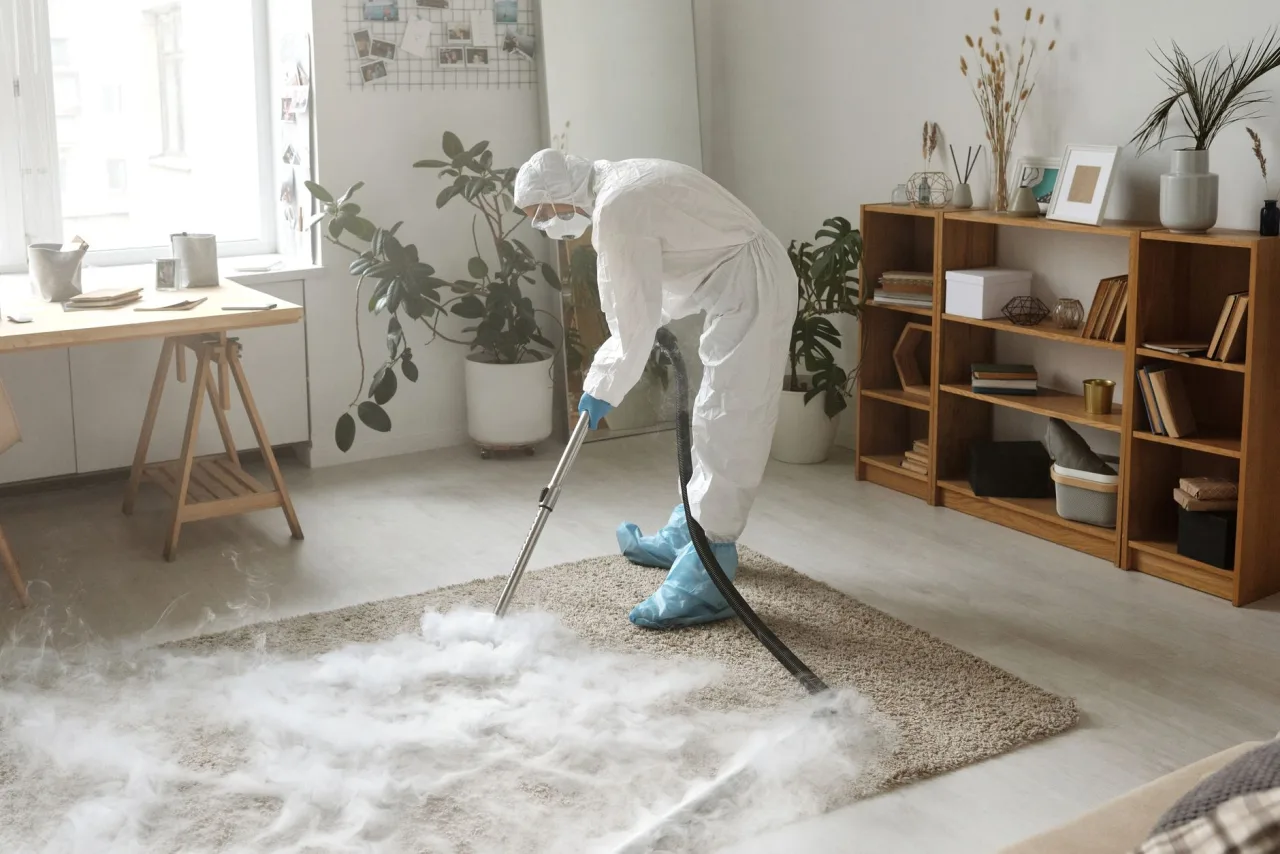
Some mold situations are beyond a DIY clean, and pushing on regardless risks your health and spreads the problem. Based on the same EPA guidance, call a professional when any of these apply.
A professional removal, or remediation, service will contain the area, remove affected materials safely, treat surfaces, and, crucially, help identify the moisture source. This kind of work often fits within a broader building care programme, especially where damp is a recurring building issue rather than a one-off.
Professional mold removal is almost always quoted per job after an inspection, because the cost depends entirely on the extent, the cause, the surfaces involved, and whether materials need replacing. What follows is a framework, not a quote, and prices vary by property size, provider, and location.
Because the moisture source is the real problem, a quote that only covers wiping surfaces is incomplete. Ask whether the provider inspects for the cause, whether removal of affected materials is included, and what they recommend to prevent recurrence. Get every figure in writing, and remember that the cheapest clean is worthless if the mold is back within a month.
Prevention is where the real win is, and it comes down to controlling moisture. The EPA's guide to mold and moisture recommends keeping indoor humidity below 60 percent, ideally between 30 and 50 percent, and notes that if wet materials are dried within 24 to 48 hours, mold usually will not grow. In the UAE that translates into a few practical habits.
Regular attention pays off. A property kept clean and dry, whether through routine deep cleaning or a careful handover such as a move-out clean, gives mold far fewer chances to take hold.
Mold needs moisture, warmth, and a surface, and UAE homes supply all three. Coastal humidity is high for much of the year, and when that moist air meets surfaces chilled by air-conditioning, condensation forms on windows, around AC vents, on cold walls, and inside ducts. That condensation is the water source mold needs, which is why mold here is so often linked to air-conditioning.
Small patches of surface mold on hard, non-porous materials, roughly under one square metre, can usually be cleaned yourself by scrubbing with detergent and water and drying completely, while wearing gloves, a mask, and eye protection. Throw away badly affected porous items like soaked ceiling tiles or carpet, and always fix the moisture source, or the mold returns.
Call a professional when mold covers more than about ten square feet, when the air-conditioning or ductwork may be contaminated, when it comes from sewage or dirty water, when it is hidden behind walls or under floors, or when anyone in the home has asthma, allergies, or a weakened immune system. These situations need proper containment and safe removal.
Professional mold removal is almost always quoted per job after an inspection, because the cost depends on the extent, the cause, the surfaces, and whether materials need replacing. Small contained jobs sit at the lower end, while larger or hidden mold and related work like leak repair and duct cleaning cost more. Prices vary by property size, provider, and location, so get a written quote.
Control moisture. Keep indoor humidity below 60 percent, ideally between 30 and 50 percent, and dry any wet materials within 24 to 48 hours so mold cannot establish. Service your AC so it drains properly, ventilate bathrooms and kitchens, fix leaks quickly, wipe down condensation, and leave a gap behind furniture on external walls so air can circulate.
Note: This article is general guidance, not medical or safety advice. Pricing is described in general terms, not as quotes, and actual costs vary widely by extent, cause, property, and location. For large areas, HVAC contamination, contaminated water, or where anyone has health concerns, use a qualified professional and address the underlying moisture source.
More guides on Maintenance & Home (General)
We read every message. Tell us what you would like to see next on the blog.
Get in touch
A complete UAE guide to mould cleaning: why it grows, how to clean small patches safely, when to hire a pro, and how to stop it coming back.
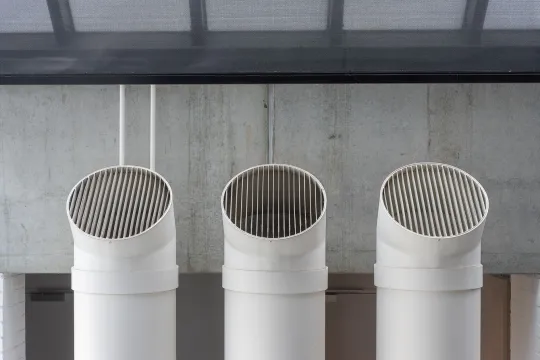
An honest look at AC duct cleaning in the UAE: what proper cleaning involves, when it genuinely helps in the Gulf climate, when it is oversold, fair 2026 prices, and how to avoid the upsell trap.

A deep clean is the reset a weekly tidy cannot deliver. This complete UAE guide explains what deep cleaning includes, when it is worth it, fair 2026 price ranges for apartments and villas, and how to hire well.