Mould, spelled mold in American English, is one of the most common and misunderstood problems in UAE homes. Between year round air conditioning, high coastal humidity and the occasional hidden leak, the conditions for it are everywhere. This guide explains why mould grows here, how to clean small patches safely yourself, when the job is too big for DIY, and how to stop it coming back, because cleaning the surface without fixing the moisture is a losing battle.
The short version
Mould needs moisture to grow. In the UAE that usually comes from AC condensation, humidity or a leak, so fixing the water source is the real fix.
A small patch, roughly under a 3 foot by 3 foot area, can often be cleaned safely yourself with the right protection.
Large areas, mould after flooding, or mould in the AC system need professional remediation, not a DIY wipe.
Professional mould cleaning is quoted per job after inspection. Prices vary widely by size and cause, so always get a written quote.
Why mould is so common in UAE homes
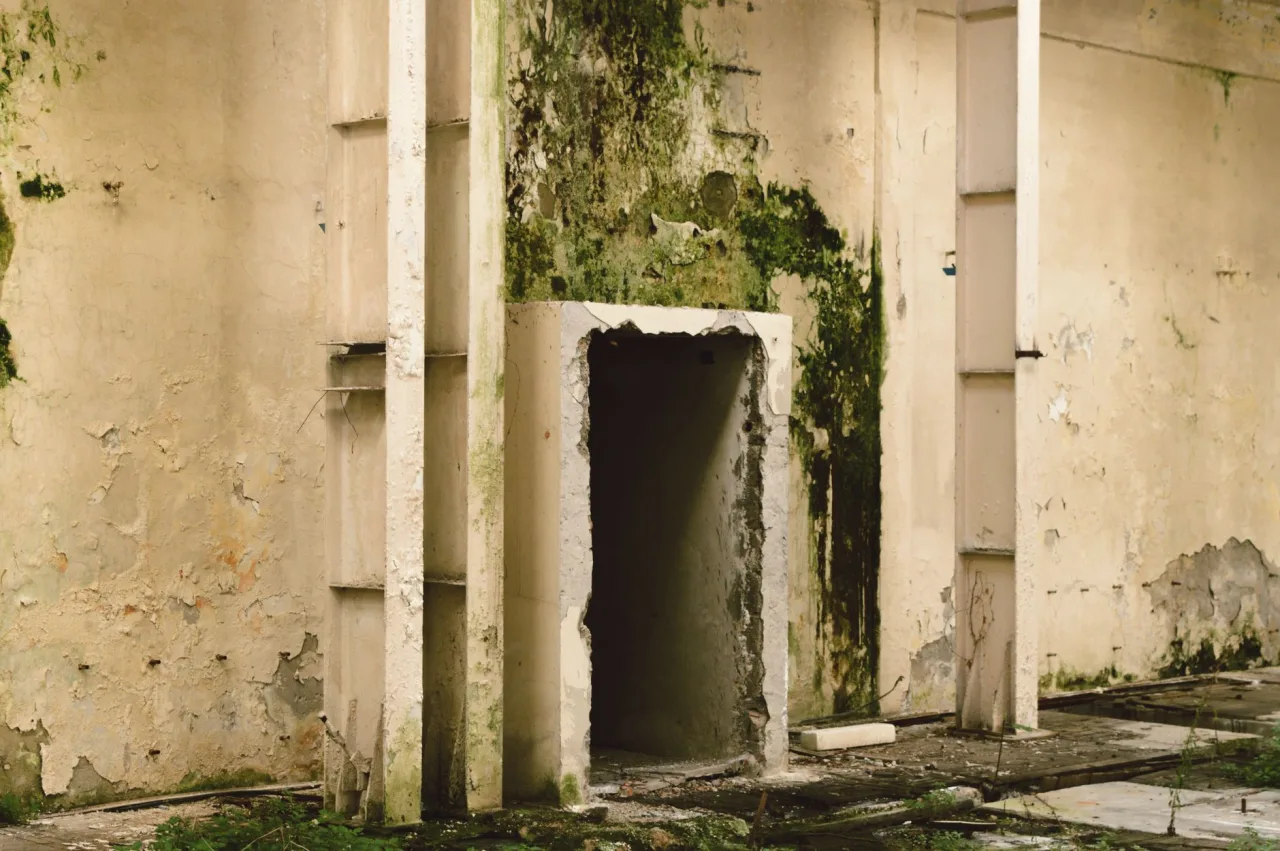
Mould is a fungus, and like all moulds it needs moisture to grow, as the general background on mould explains. The UAE hands it plenty of that. Coastal humidity is high for much of the year, homes stay sealed with the air conditioning running, and that combination creates cool surfaces where warm, moist air condenses: around AC vents, on the back of wardrobes against external walls, in bathrooms, and behind furniture pushed flat against the wall. Add a slow plumbing leak or a blocked AC condensate drain and you have ideal growing conditions out of sight.
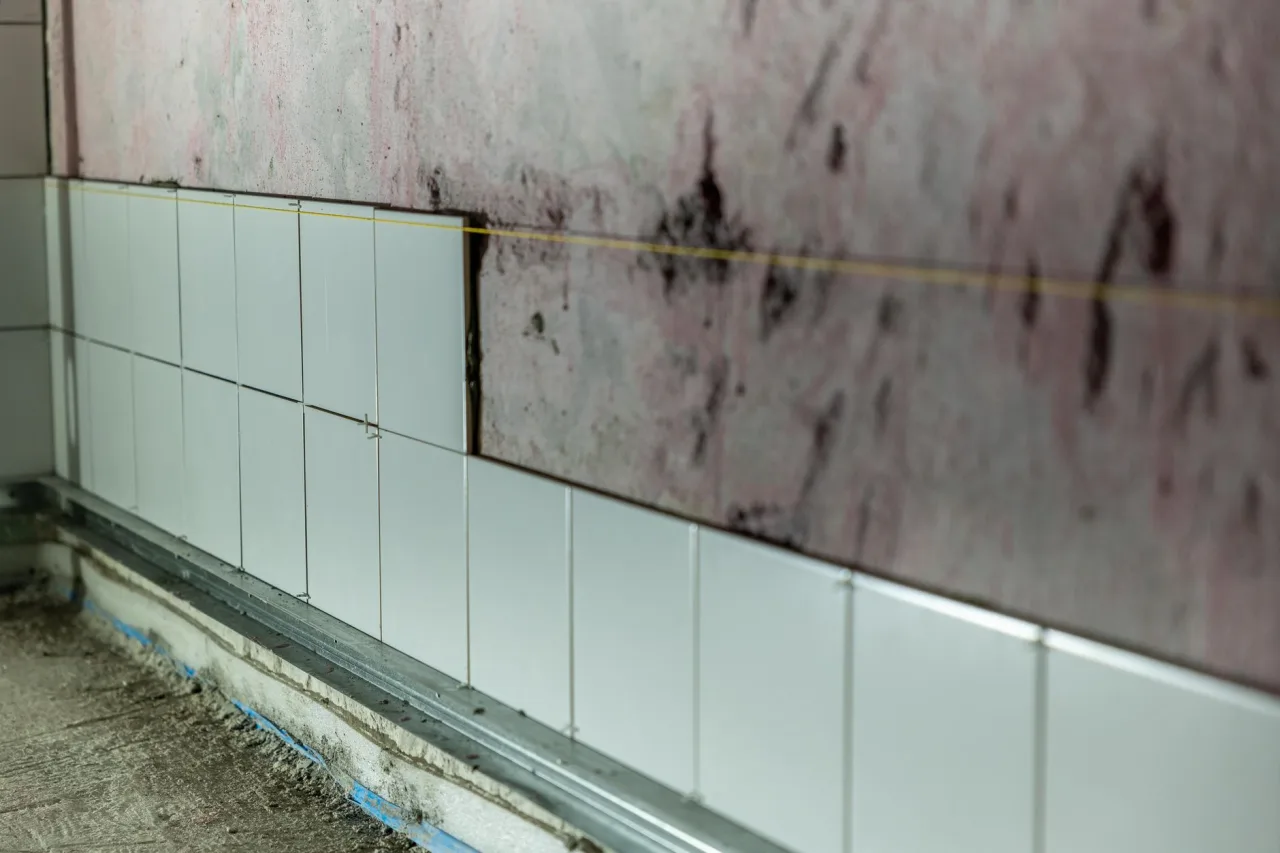
The tell tale signs are black, green or grey speckling, a persistent musty smell, or peeling paint and dark patches on walls and ceilings. It often appears first in the least ventilated spots. Because indoor humidity is the driver, controlling it is central to prevention: keeping relative humidity on the lower side, ideally under 60 percent, makes it much harder for mould to take hold.
Is mould a health risk?
For most healthy people, small amounts of household mould cause little more than irritation, but it is not something to ignore. Exposure can trigger allergy type symptoms such as a blocked nose, sneezing, itchy eyes and coughing, and it can aggravate asthma and affect people with weakened immune systems more seriously. That is why the goal is not just to hide the stain but to remove the mould and stop it regrowing. If anyone in the home has respiratory issues, be more cautious and lean towards professional help for anything beyond a small patch.
Clean it yourself or call a pro?
The deciding factor is size and cause. Guidance from the US Environmental Protection Agency is a useful, widely cited rule of thumb: a homeowner can usually tackle a mouldy area smaller than about 10 square feet, roughly a 3 foot by 3 foot patch, themselves. Beyond that, or where mould keeps returning, professional remediation is the safer call.
Call a professional when:
The affected area is larger than about a 3 foot by 3 foot patch.
Mould followed flooding, a burst pipe or sewage water.
You suspect mould inside the AC ducts or system, which spreads spores through the whole home.
It keeps coming back after cleaning, which points to a hidden moisture source.
Anyone in the home has asthma, allergies or a weakened immune system.
Mould in the AC system deserves special mention in the UAE, since the units run so much of the year. If you suspect it there, treat it as a job for specialists rather than a surface wipe, and pair it with duct cleaning. For a wider reset of a home that has been shut up and humid, our deep cleaning guide covers the thorough approach.
Warning: never do this with mould
Do not just paint over it. The mould keeps growing under the paint and returns.
Do not dry brush large patches, which flings spores into the air you breathe.
Do not mix cleaning chemicals, especially bleach with ammonia based products, which creates toxic fumes.
How to clean a small patch of mould safely
For a small, non porous area such as bathroom tile, sealed grout or a window frame, you can usually handle it yourself. Work methodically:
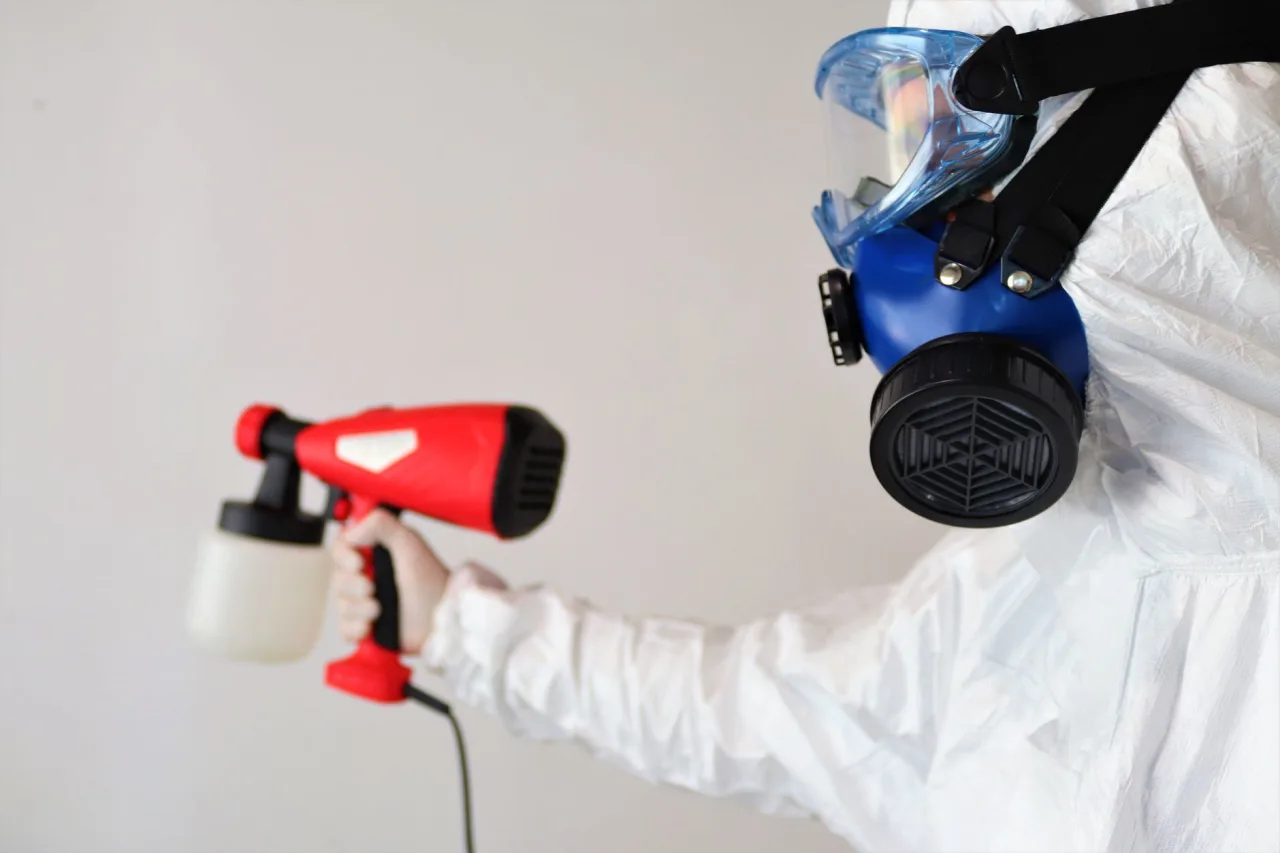
Protect yourself: wear gloves, a mask and eye protection, and open a window or run an extractor for ventilation.
Contain the area: move or cover nearby items so spores do not settle on them.
Clean the surface: use a suitable mould cleaner or a detergent solution and a stiff brush or cloth. Scrub the mould away rather than smearing it around.
Dry completely: this is the step that matters most. Dry the area thoroughly, because any residual moisture invites regrowth.
Dispose carefully: bag up used cloths and disposable materials rather than reusing them across the home.
Porous materials are different. Mould that has penetrated drywall, plaster, untreated wood or fabric often cannot be fully cleaned and the material may need replacing, which is another reason larger jobs go to professionals. Bathrooms and kitchens are the usual DIY hotspots, and our kitchen cleaning guide covers keeping those damp prone rooms in good order.
Fix the moisture, or it comes back
This is the single most important idea in the whole guide. Cleaning mould without removing its water source is temporary, because the spores are always in the air and will regrow the moment conditions allow. Eliminating the moisture is the first real step in any lasting fix. In UAE homes that usually means:
Fixing plumbing leaks and clearing blocked AC condensate drains promptly.
Servicing the air conditioning so it removes humidity properly and does not drip.
Improving ventilation in bathrooms and kitchens with working extractor fans.
Keeping indoor humidity down, using a dehumidifier in badly affected rooms if needed.
Leaving a gap behind wardrobes and furniture on external walls so air can move.
If the underlying cause is a building or plumbing fault rather than lifestyle humidity, it becomes a maintenance issue as much as a cleaning one, and the fix belongs with a qualified trade.
What professional mould cleaning involves and costs
A professional remediation service does more than scrub. Expect an inspection to find the extent and moisture source, containment of the area to stop spores spreading, removal or treatment of affected materials, cleaning and antimicrobial treatment of salvageable surfaces, drying, and advice on preventing recurrence. Serious cases involving AC systems or water damage may bring in specialist equipment such as HEPA filtration and air movers.
Because every case differs, mould cleaning is quoted per job after an inspection rather than from a fixed price list. A small, contained patch is relatively inexpensive, while extensive growth after water damage, or a job requiring material replacement and duct work, can run into the thousands of dirhams. Any figure here would be misleading, so the only sensible advice is to get a written, itemised quote after an on site assessment, and be wary of anyone pricing remediation sight unseen. To weigh mould work alongside general cleaning packages, see our cleaning service pricing guide.
How to choose a mould cleaning provider
Mould remediation sits between cleaning and building maintenance, so vet accordingly:
Confirm they are a licensed business with experience in mould and moisture work, not just general cleaning. Hygiene and environmental services are regulated locally, with bodies such as Dubai Municipality overseeing public health standards.
Ask how they will identify and fix the moisture source, not just clean the visible mould.
Get the scope and quote in writing after an inspection, including any material replacement.
Check they use containment and proper protective equipment for larger jobs.
Ask what they do to prevent recurrence and whether any guarantee applies.
For the removal side specifically, including materials that need stripping out, our mould removal guide goes further, and if the source turns out to be a persistent damp problem, our house cleaning services guide can help keep the rest of the home in good shape.
Frequently asked questions
Why does mould keep growing in my UAE home?
Mould needs moisture, and UAE homes supply it through high humidity, AC condensation and hidden leaks. If it keeps returning after cleaning, there is almost always an unresolved water source, such as a plumbing leak, a blocked AC drain or poor ventilation, that must be fixed to stop regrowth.
Can I clean mould myself or do I need a professional?
A small patch, roughly under a 3 foot by 3 foot area on a non porous surface, can usually be cleaned safely yourself with gloves, a mask and good ventilation. Larger areas, mould after flooding, mould in the AC system, or repeated regrowth need professional remediation.
Is household mould dangerous to health?
For most healthy people small amounts cause only irritation, but mould can trigger allergy symptoms and aggravate asthma, and it affects people with weakened immune systems more. If anyone in the home has respiratory issues, be cautious and favour professional help for anything beyond a small patch.
Does bleach permanently remove mould?
Cleaning a surface without removing the moisture source is only temporary, since spores in the air regrow when conditions allow. Never simply paint over mould, and never mix bleach with ammonia based cleaners. Lasting removal means cleaning the mould and fixing the underlying moisture problem.
How much does professional mould cleaning cost in the UAE?
It is quoted per job after an inspection, not from a fixed price list. A small contained patch is relatively inexpensive, while extensive growth after water damage or work involving AC ducts can run into the thousands of dirhams. Always get a written, itemised quote after an on site assessment.