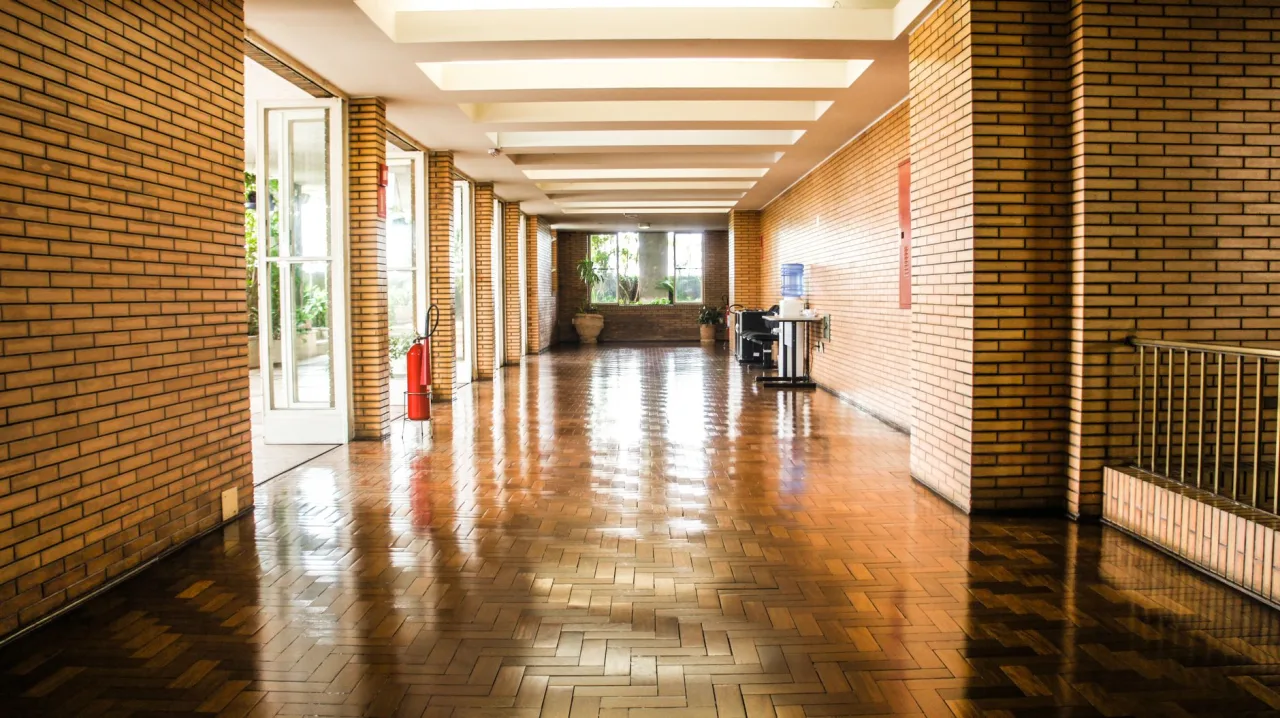
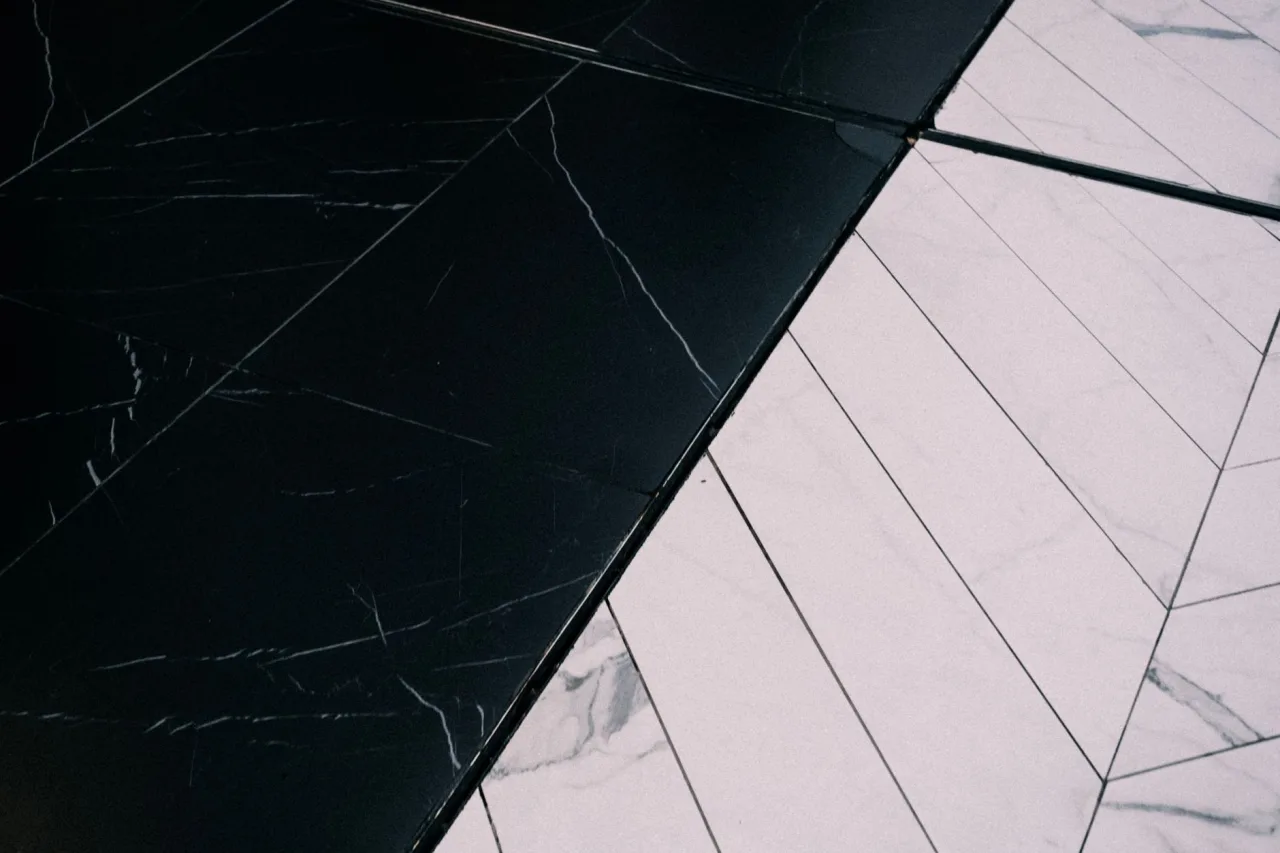
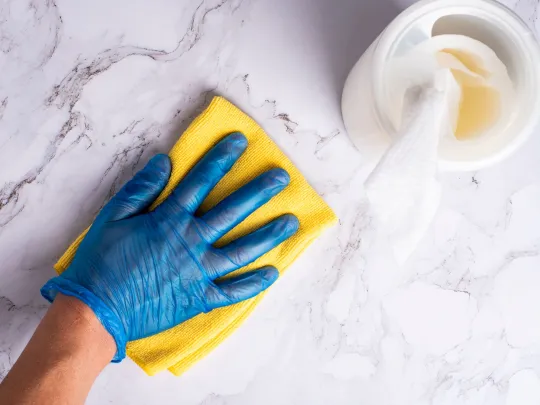
Marble, terrazzo, and stone floors are everywhere in UAE homes and buildings, and over time they lose their shine, pick up scratches, and dull under foot traffic and dust. Floor polishing restores that surface, and done properly it can make an old floor look close to new. This guide explains what floor polishing actually involves, which floors can be polished, what it costs, and how to hire a good contractor without paying for damage dressed up as a service.
The short version
Floor polishing mechanically grinds and refines a hard surface, usually with progressively finer diamond abrasives, then seals it, restoring shine and smoothness to marble, terrazzo, granite, and concrete.
It is different from ordinary cleaning: cleaning removes dirt, while polishing reworks the surface itself to remove scratches, etching, and dullness.
Marble is soft and reacts to acids, so it dulls and etches easily, which is exactly why UAE marble floors need periodic professional polishing.
Prices are usually quoted per square metre or per job and vary widely by floor type, condition, and area, so measure your space and get a written quote. Never accept aggressive grinding on thin or worn stone without discussion.
What floor polishing actually is
Floor polishing is a mechanical process, not just a cleaning one. A machine fitted with abrasive pads or diamond discs works across the surface in stages, each stage using a finer grit than the last, gradually removing the damaged top layer and refining the surface until it reflects light. On natural stone this is often called honing and polishing, and on terrazzo and concrete the same grinding-and-refining logic applies. The final step is usually sealing or the application of a protective finish so the restored surface resists staining and wear.
This is why polishing achieves what cleaning cannot. Cleaning lifts dirt off the surface, but polishing reworks the surface itself, taking out fine scratches, dull spots, and the chemical etching that acidic spills leave behind. Our floor cleaning guide covers the routine upkeep side, while polishing is the periodic restoration that cleaning cannot deliver.
Which floors can be polished
Not every floor is a candidate, and matching the method to the material matters. The main polishable surfaces in UAE properties are these.
Marble: the classic polishing candidate. According to general references, marble is a metamorphic rock that is relatively soft and porous, so it scratches and stains easily and is corroded by acids. That softness is what lets polishing restore it, and also why it dulls in the first place.
Terrazzo: a composite of stone chips in a binder that, as its description notes, is ground and polished smooth after curing. It responds very well to professional refinishing.
Granite: much harder than marble, so it holds its polish longer but needs diamond abrasives to refinish.
Concrete: polished concrete is ground and densified to a smooth, durable finish, popular in modern and commercial spaces.
Ceramic and porcelain tiles, laminate, vinyl, and most engineered wood are not polished this way. If your floor is one of those, the right answer is cleaning and appropriate care, covered in our deep cleaning guide, not grinding.
Why UAE marble floors dull over time
Marble is prized here for its look and its coolness underfoot, but the same properties that make it beautiful make it high-maintenance. Because it is soft, foot traffic and fine desert dust act like a mild abrasive, wearing the polish down and creating a matte path where people walk most. Because it reacts with acids, common spills such as lemon juice, vinegar, some cleaning products, and even hard water residue can etch dull marks into the surface that cleaning will never remove.
Dust is the quiet culprit in the UAE. Grit tracked in from outside grinds underfoot every day, so marble in a busy villa or lobby dulls faster than the same floor would in a less dusty climate. This is why periodic polishing, rather than a one-time job, is the realistic expectation for stone floors here.
Warning: Be cautious with any contractor who wants to aggressively grind a thin, old, or already-worn marble floor. Every grinding removes a layer of stone, and there is only so much to work with. A good contractor assesses thickness and condition first and uses the lightest process that achieves the result, rather than defaulting to heavy grinding that shortens the floor's life.
The polishing process, step by step
Knowing the stages helps you tell a thorough job from a quick buff that will not last.
Assessment: the contractor inspects the floor type, thickness, and damage, and agrees the scope and method.
Preparation: the area is cleared, edges and skirting are protected, and the floor is cleaned of loose dust.
Grinding and honing: progressively finer diamond abrasives remove scratches and level the surface, this is the stage that actually restores the stone.
Polishing: the finest stages bring up the shine, either mechanically or with polishing compounds.
Sealing: a penetrating sealer or protective finish is applied so the surface resists stains and slows future wear.
Cleanup: slurry and dust are removed, and the floor is left ready to use once cured.
What floor polishing costs in the UAE
Floor polishing is usually priced per square metre or as a per-job quote, and the range is wide because it depends on the material, the floor's condition, the area, and access. What follows is a framework, not a quote, and prices vary by property size, provider, and location. Always measure your space so quotes are comparable.
Per square metre: the common model for larger areas. Heavily scratched or badly worn stone needing full grinding costs more per metre than a light refresh.
Per job or minimum charge: small areas, single rooms, or callouts often carry a minimum charge, so tiny jobs cost more per metre than large ones.
Condition matters: a floor needing crack repair, chip filling, or deep etch removal costs more than routine maintenance polishing.
Because condition drives cost so heavily, a quote is only meaningful after the contractor has seen the floor, or clear photos and measurements. Ask whether sealing is included, whether furniture moving is part of the price, and how long the floor must cure before use. Get every figure in writing before work starts.
How to hire a good floor polishing contractor
The difference between a skilled refinisher and a careless one is significant, because bad work removes stone you cannot get back. Hire deliberately.
Ask for stone-specific experience: marble, terrazzo, granite, and concrete each need the right abrasives and technique.
See past work: photos of before and after on the same material tell you more than promises.
Confirm the method: a good contractor explains the grit stages and sealing, not just a vague promise of shine.
Check the licence: use a properly licensed provider, which protects you if something goes wrong.
Get a written scope: area, condition, inclusions, sealing, curing time, and price, all in writing.
Floor polishing pairs naturally with other property care. It is a common step during a move-out clean when handing a property back in top condition, and it fits into a broader building care plan for keeping a property in good order. For day-to-day marble upkeep between polishes, our marble cleaning guide explains how to avoid the acid etching and grit wear that make polishing necessary sooner.
Frequently asked questions
What is floor polishing?
Floor polishing is a mechanical process that grinds and refines a hard surface, usually with progressively finer diamond abrasives, then seals it. It removes fine scratches, dull spots, and etching, restoring shine and smoothness to marble, terrazzo, granite, and concrete. Unlike cleaning, which lifts dirt off the surface, polishing reworks the surface itself.
Which floors can be polished?
Marble, terrazzo, granite, and concrete can all be professionally polished, each with the appropriate abrasives and technique. Marble and terrazzo respond especially well because they are designed to be ground and refined. Ceramic and porcelain tiles, laminate, vinyl, and most engineered wood are not polished this way and instead need cleaning and appropriate care.
How much does floor polishing cost in the UAE?
Floor polishing is usually priced per square metre or as a per-job quote, and small areas often carry a minimum charge. The cost depends heavily on the material, the floor's condition, the area, and access, so a heavily worn floor needing full grinding costs more than a light refresh. Prices vary by property size, provider, and location, so measure your space and get a written quote.
Why does marble dull so quickly in the UAE?
Marble is soft and reacts with acids, so it wears and etches easily. Fine desert dust tracked underfoot acts like a mild abrasive, dulling the polish along walkways, while acidic spills such as lemon juice, vinegar, and some cleaners leave etched marks that cleaning cannot remove. This is why UAE marble floors need periodic professional polishing rather than a one-time job.
How often should stone floors be polished?
It depends on the stone, the traffic, and how well the floor is maintained day to day. A busy villa or lobby with marble may need refinishing more often than a lightly used room, while harder granite holds its polish longer. Good routine care, avoiding acidic cleaners and keeping grit off the floor, stretches the interval between professional polishes.
Note: This article is general guidance. Pricing is described in general terms, not as quotes, and actual costs vary widely by floor type, condition, area, and location. Because grinding permanently removes material, have any thin or old stone assessed first, and confirm the contractor's licence and written scope before work begins.