Plumbing and electrical faults are the two household problems you should never leave to chance in
the UAE, because both can cause serious damage fast: water into a neighbour's ceiling, or a live
fault that trips your whole flat. This complete guide explains what plumbers and electricians do
here, which jobs are simple and which are licensed work, what fair 2026 prices look like, and how
to hire safely without falling for unlicensed labour.
The short version
Small fixes like a dripping tap or a dead socket are quick jobs; anything touching your building supply is licensed work.
Only a properly licensed contractor should alter your water connection or electrical distribution board.
Most minor jobs sit in the AED 100 to 500 band, but prices vary by property size, provider and location, so get a written quote.
Verify any company on the National Economic Register, and check whether the repair is actually the landlord's responsibility first.
What a plumber does in the UAE
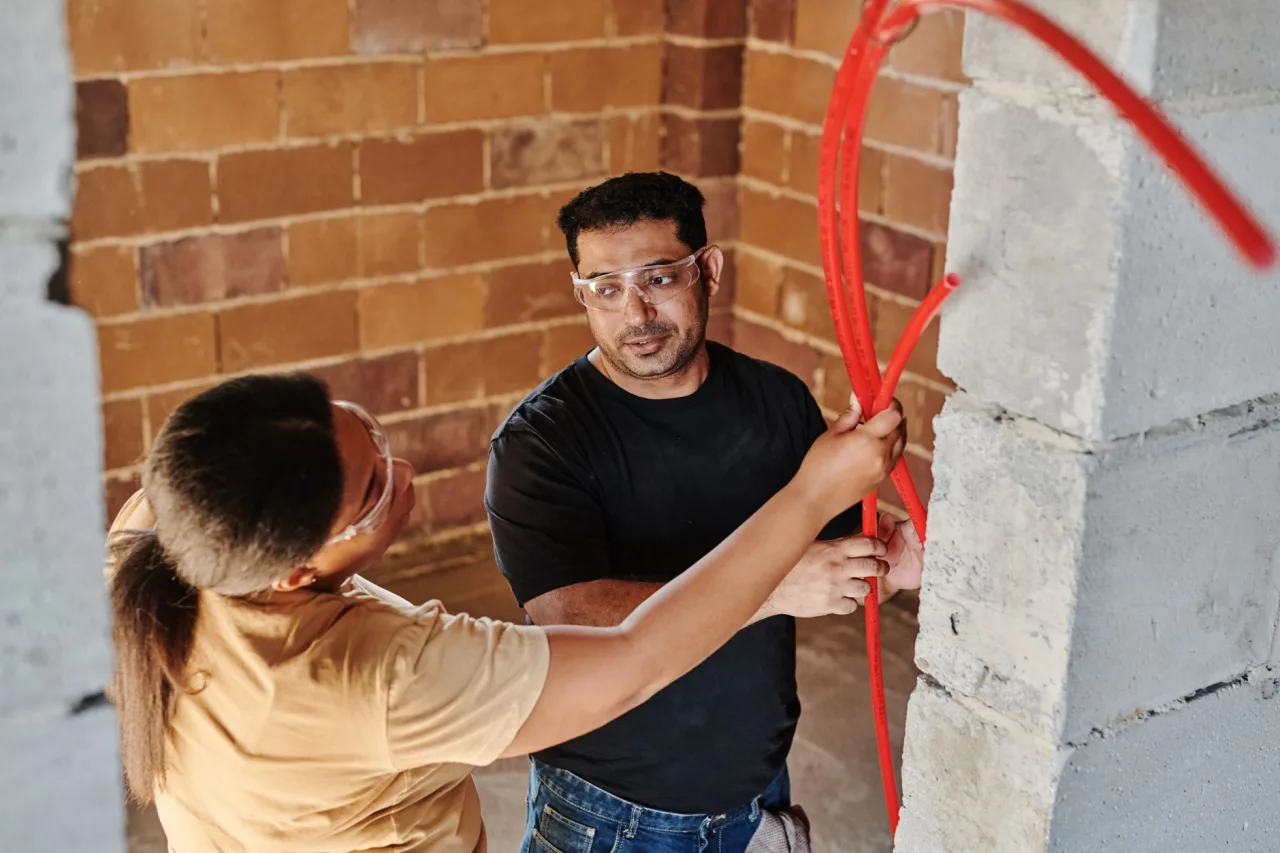
A plumber installs, maintains and repairs the pipes, fittings and appliances that carry water in
and waste out. In UAE homes, the most common calls are practical and recurring:
Fixing dripping taps, mixers, and running or leaking toilets.
Clearing blocked sinks, showers, floor drains and toilets.
Replacing flexible hoses, angle valves, shower heads and toilet seats.
Servicing, repairing or replacing electric and central water heaters.
Detecting and repairing concealed leaks, and re-sealing wet areas with fresh silicone.
Humidity makes silicone and grout in bathrooms fail faster here than in drier climates, so
re-sealing is one of the most common preventive plumbing jobs. A small hidden leak in a hot
climate can also grow mould quickly, which is why early leak detection matters.
What an electrician does in the UAE
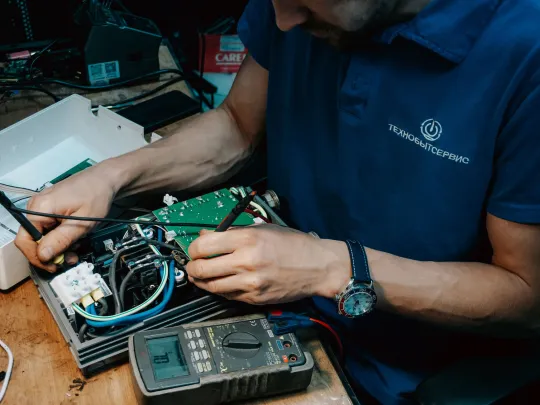
An electrician installs and repairs the wiring, fittings and protective devices that carry power
around your home safely. Typical residential jobs include:
Replacing faulty sockets, switches, dimmers and light fittings.
Installing chandeliers, ceiling fans, and bathroom exhaust fans.
Diagnosing tripping circuits and nuisance breaker trips.
Checking and upgrading the distribution board and protective devices.
Wiring for new appliances and fixed installations.
Safety device you should know. Modern UAE homes rely on a
residual-current device,
which cuts the circuit when it detects current leaking to earth and protects you from electric
shock. If a socket keeps tripping the RCD, that is a warning, not a nuisance. Stop using it and
call a licensed electrician rather than resetting it repeatedly.
For a deeper look at this trade on its own, see our
complete electrician guide,
and if you need someone quickly, our guide to finding an
electrician near you
covers call-out fees and response times.
Simple jobs versus licensed work
This is the most important distinction in the whole guide. Many small tasks are handyman-level and
quick. A defined set of work is licensed, meaning it must be carried out by a properly registered
contractor because it touches the supply that the utility is responsible for.
Handyman-level: changing a tap, unblocking a drain, swapping a light fitting, replacing a socket faceplate.
Licensed contractor work: altering or extending the water connection, modifying the distribution board, rewiring, and any change to your metered supply.
Across the emirates, your utility governs the supply side: DEWA in Dubai, ADDC and its counterparts
in Abu Dhabi, and SEWA in Sharjah. Work that affects the metered connection is not a DIY or casual
job, and using an unregistered worker for it can leave you liable and uninsured. When in doubt,
treat anything beyond a simple like-for-like swap as licensed work.
Fair price ranges for 2026
Plumbers and electricians in the UAE usually charge a call-out plus either an hourly rate or a
fixed price per job. The ranges below are common market figures, offered as a guide. Prices vary by
property size, provider and location, so always get a written quote before work begins.
Call-out or minimum visit: roughly AED 100 to 300.
Tap or mixer replacement: roughly AED 100 to 300 plus the part.
Clearing a blocked drain: roughly AED 150 to 500 depending on severity.
Water heater repair or replacement: roughly AED 200 to 800 depending on type and access.
Socket, switch or light fitting replacement: roughly AED 80 to 300 per point.
Chandelier or ceiling fan installation: roughly AED 150 to 600 depending on height.
Distribution board work: quoted per job by a licensed contractor after inspection.
Villas generally cost more than apartments for the same task because of access, distance and the
number of fittings involved. Emergency and after-hours call-outs usually carry a surcharge, and
during Ramadan working hours shift earlier, so confirm timings when you book.
When it is the landlord's job, not yours
Before you pay a plumber or electrician, check whether the repair is your responsibility at all.
Standard UAE tenancy practice tends to leave minor upkeep to the tenant while major and structural
repairs sit with the landlord, unless the contract says otherwise. A failed water heater or a fault
in the fixed wiring often falls to the landlord. Because your tenancy is registered through Ejari in
Dubai or Tawtheeq in Abu Dhabi, the terms are on record. The government summary of
leasing a property in the UAE
is a good reference. Raise likely landlord items with the managing agent before paying yourself.
How to hire a plumber or electrician safely
The stakes are higher for these trades than for general handiwork, so vetting matters more. Work
through this before you book:
Confirm the company holds a valid trade licence for the activity, and verify it on the UAE National Economic Register.
Insist on licensed contractors for any work touching the metered supply or distribution board.
Check that the provider carries liability insurance in case a leak or fault causes damage.
Get an itemised written quote separating labour, parts and call-out, with VAT stated.
Ask what workmanship warranty applies, and get it in writing.
You can confirm a company on the UAE
National Economic Register,
which shows the licence details the government holds on record. If either trade is only part of a
longer to-do list, a single multi-trade visit may be more economical, as our
handyman guide explains, and both
trades fit into the wider picture of
home maintenance.
Frequently asked questions
Can a handyman replace a socket or a tap, or do I need a licensed contractor?
A handyman can usually replace a socket faceplate, a light fitting or a tap on a like-for-like
basis. Anything that alters your metered supply or distribution board is licensed work and must be
carried out by a properly registered contractor, not a general handyman.
How much does a plumber cost in the UAE?
Expect a call-out of roughly AED 100 to 300, with common jobs like a tap replacement around AED 100
to 300 plus the part and drain clearing around AED 150 to 500. Prices vary by property size,
provider and location, so always get a written quote before work begins.
Why does my socket keep tripping the breaker?
A socket that repeatedly trips the residual-current device is signalling a fault, often current
leaking to earth. Stop using it rather than resetting it again and again, and call a licensed
electrician to diagnose the circuit, because it is a safety warning, not a nuisance.
Is water heater failure the tenant's or the landlord's responsibility?
It depends on your tenancy contract, but a failed water heater is often a major repair that falls to
the landlord rather than the tenant. Because your tenancy is registered through Ejari or Tawtheeq,
check the agreement and raise it with the managing agent before paying for a replacement yourself.
How do I know a plumber or electrician is licensed?
Ask for the company trade licence number and verify it on the UAE National Economic Register, which
shows the licence details the government holds on record. For anything touching your water or
electrical supply, do not hire an unlicensed worker even if it is cheaper.