Home electrics covers everything that carries power inside your home, from the distribution board and wiring to sockets, lighting, and the connection that ties you to the grid. This guide explains how home electrics work in the UAE, what a competent electrician actually does, what fair prices look like in 2026, and how to hire a licensed provider without getting overcharged.
The short version
Electrical work in the UAE must be done by a licensed contractor. Fixed wiring, distribution boards, and grid connections are not DIY jobs.
Expect a call-out or minimum-visit fee of roughly AED 100 to 250, with small jobs like a socket or switch swap landing around AED 50 to 150 per point on top.
Summer heat and heavy AC load are the single biggest strain on home electrics here, so a healthy distribution board and correctly rated circuits matter more than in cooler climates.
Prices vary by property size, provider, and location. Always get a written, itemised quote before work starts.
What "home electrics" actually includes
People search "home electrics" when something has gone wrong or when they are fitting out a new place. In practice the term spans several distinct layers of your home. Understanding them helps you describe the problem accurately and avoid paying for the wrong service.
The supply and meter. Power enters through a meter owned by your utility. In Dubai that is DEWA, in Abu Dhabi it is Taqa Distribution, in Sharjah it is SEWA, and across Ajman, Umm Al Quwain, Ras Al Khaimah, and Fujairah it is Etihad Water and Electricity.
The distribution board (DB). Also called the consumer unit or fuse box. This is where circuits split off and where the main breaker and residual current devices (RCDs) protect you.
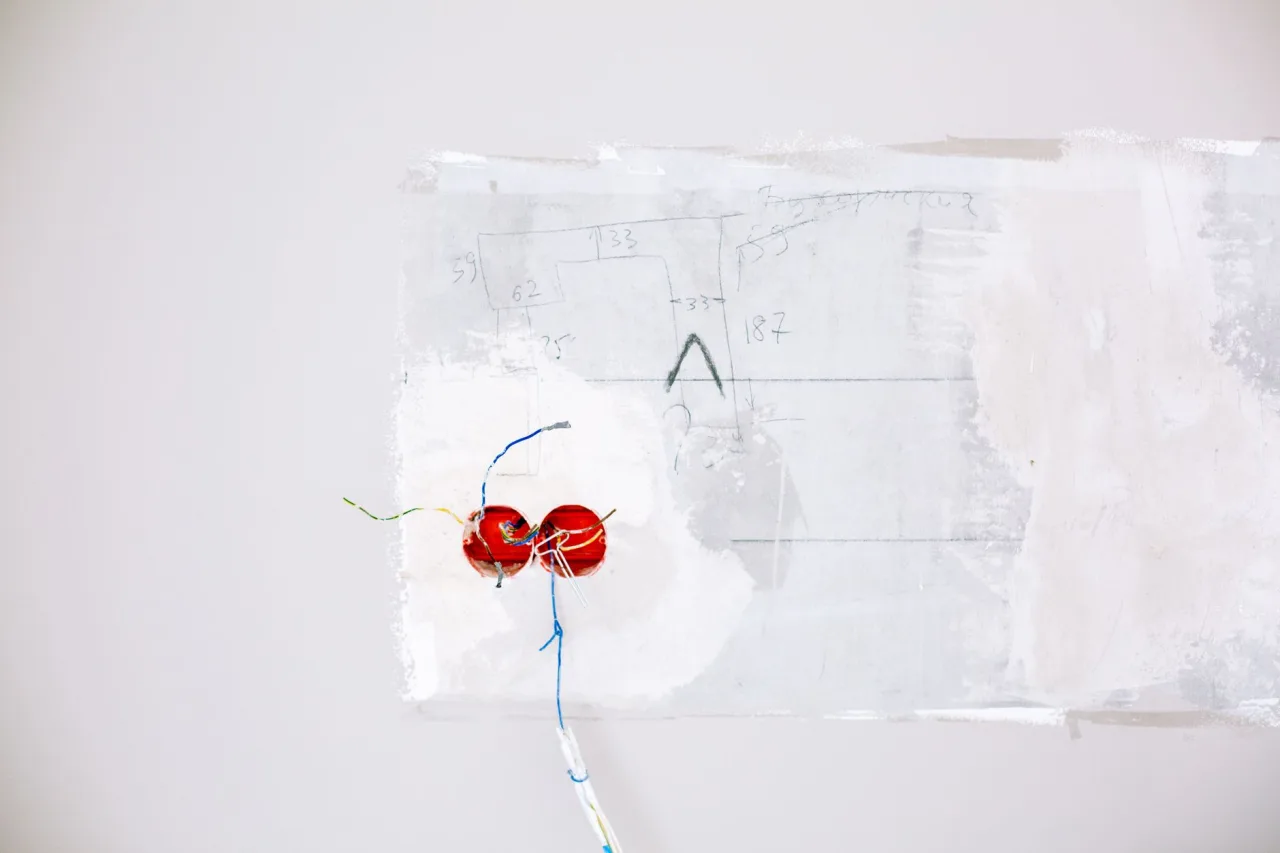
Fixed wiring. The cables buried in walls and ceilings that feed each circuit. This is permanent infrastructure and the part most sensitive to poor workmanship.
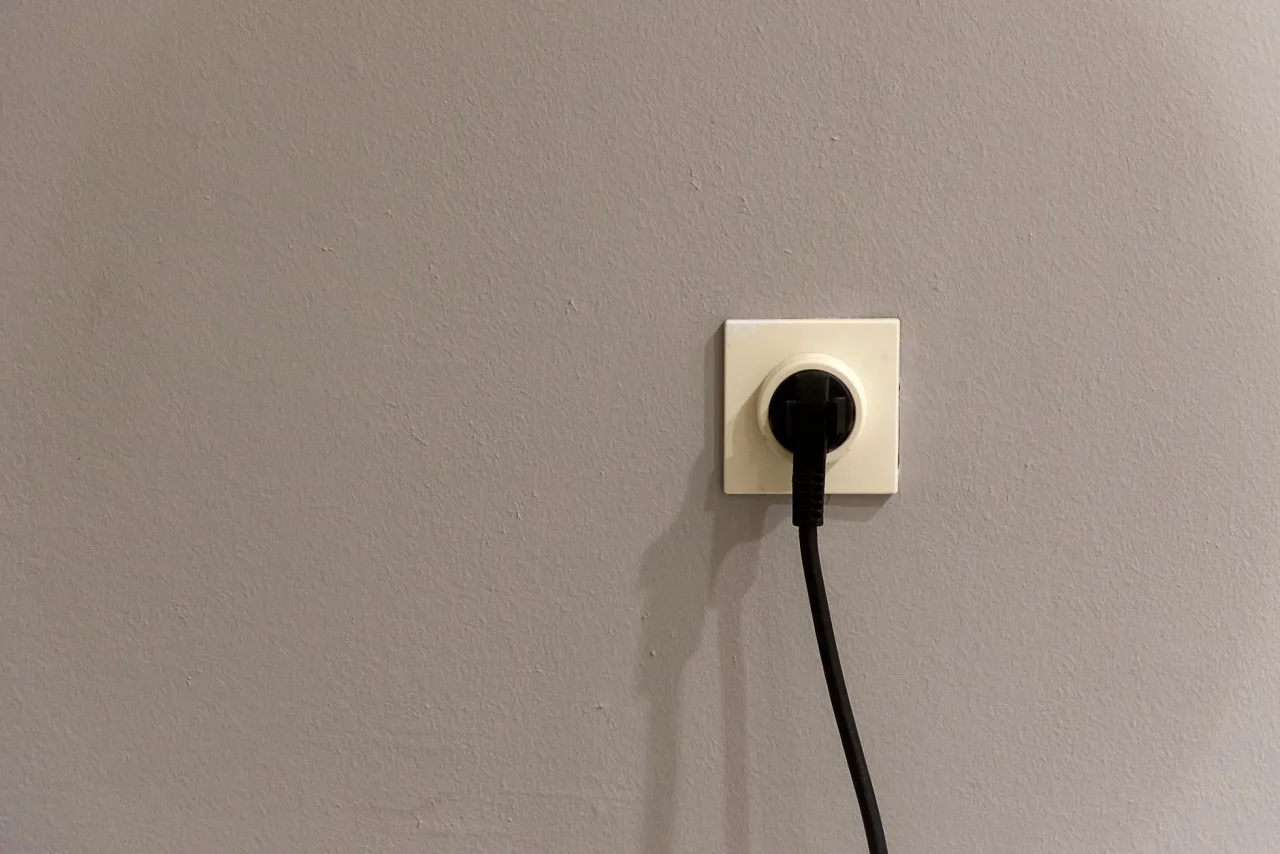
Accessories and fixtures. Sockets, switches, light fittings, ceiling fans, water heater points, and AC isolators.
The Gulf climate changes the maths of home electrics. From May to September, air conditioning can run around the clock. AC compressors draw heavy current, and a villa running several split units plus a central system places a sustained load on the distribution board that a home in a temperate country would never see.
Three practical consequences follow. First, circuits and breakers must be correctly rated so they trip on genuine faults rather than nuisance-tripping under normal summer load. Second, connections loosen over time from heat cycling, which is a common cause of flickering lights and warm socket plates. Third, water heaters, kitchens, and outdoor units all add demand, so older properties sometimes need a DB upgrade to cope safely.
Warning sign worth acting on
A socket or switch plate that feels warm, a burning smell, scorch marks, or breakers that trip repeatedly are not cosmetic issues. Stop using that circuit and call a licensed electrician. Heat at a connection point can develop into a fire risk, especially under heavy summer AC load.
Common home electrics jobs and what they involve
Most residential calls fall into a handful of categories:
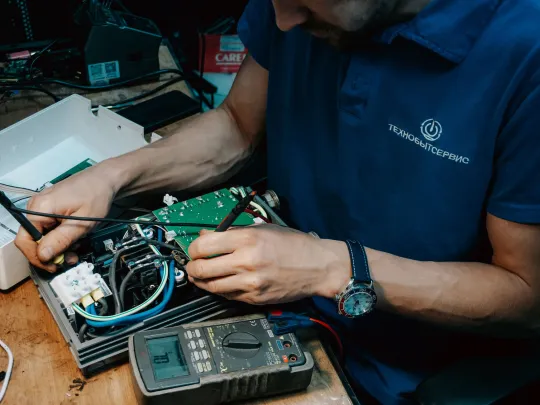
Fault finding. Tracing why a circuit is dead, why an RCD keeps tripping, or why lights flicker. This is diagnostic work and is usually charged by time.
Accessory replacement. Swapping damaged sockets, switches, dimmers, and isolators.
Lighting. Installing chandeliers, downlights, LED conversions, and ceiling fans. Height and access affect the price.
DB work. Adding a circuit, replacing a faulty breaker, or upgrading an undersized consumer unit.
New points. Adding sockets or a dedicated line for an appliance, which involves running new cable.
General repairs and small fixes often overlap with a handyman's remit, but anything touching fixed wiring or the DB should go to a qualified electrician. Our overview of the electrician's role explains where that line sits.
What fair prices look like in 2026
The single most useful thing to know is that almost every provider charges a call-out or minimum-visit fee that covers travel and the first portion of labour. Small tasks are then priced per point or per hour. The ranges below are typical market observations, not fixed rates, and they move with property size, emirate, access difficulty, and materials.
Call-out / minimum visit: roughly AED 100 to 250.
Socket or switch replacement: around AED 50 to 150 per point, plus the visit fee.
Light fixture or chandelier install: about AED 100 to 400 or more, depending on weight and ceiling height.
Ceiling fan install: roughly AED 100 to 250.
Fault finding / diagnostics: around AED 150 to 400 depending on complexity.
DB or consumer unit upgrade: from about AED 800 into the low thousands for larger boards.
Apartments generally cost less than villas because the circuits are fewer and access is easier. A villa with multiple floors, outdoor lighting, and several AC zones sits at the higher end. Because the spread is genuinely wide, treat these as orientation only and insist on a written quote.
Get it in writing
A trustworthy quote itemises labour, materials, the call-out fee, and VAT separately. If a provider quotes a single vague number over the phone without seeing the job, or pressures you to pay cash with no invoice, treat that as a red flag. Prices vary by property size, provider, and location, so a written quote protects both sides.
Licensed versus unlicensed labour
The UAE regulates electrical work for good reason. Fixed wiring and grid connections must be handled by a licensed electrical contractor holding the correct trade licence, and utilities require registered contractors for anything touching the metered supply. Informal "handyman" electrical work on fixed wiring is both unsafe and, in many cases, not permitted.
Hiring licensed labour protects you three ways: the work is more likely to meet safety standards, you have a paper trail and warranty if something fails, and you avoid problems during a property inspection or move-out. Electrical wiring is subject to formal safety standards covering cable ratings, circuit protection, and environmental conditions, as summarised in the general reference on electrical wiring standards.
For the supply side, the UAE government portal explains how utility connections work across each emirate on its public utilities page. If you are moving in or out, the same connection and account rules apply to your electricity supply.
How to hire a good provider
You do not need to know the trade to hire well. Focus on these checks:
Confirm the licence. Ask whether the company holds a valid trade licence for electrical work and, for supply-related jobs, whether it is a registered contractor.
Ask for an itemised quote. Labour, materials, call-out, and VAT should be separate lines.
Check the warranty. Reputable providers stand behind workmanship for a defined period.
Read recent reviews. Look for consistency on punctuality, cleanliness, and honouring quotes, not just star ratings.
Prefer written communication. A clear scope over message or email prevents disputes.
When you are ready to compare firms, our honest hiring guide to electric companies near you walks through vetting in more detail. For planned installs and fit-outs, see our guide to electrical installation.
Keeping home electrics healthy
A little maintenance prevents most emergencies. Test your RCD every few months using its test button. Do not overload extension leads, especially with high-draw appliances. Have connections checked if you notice warmth or flicker. Before summer, a quick inspection of the DB and heavily loaded circuits is sensible given how hard AC works the system. Landlords and building managers often fold this into a planned maintenance schedule.
Frequently asked questions
Can I replace a socket or light fitting myself in the UAE?
Legally and practically, fixed electrical work should be done by a licensed electrician. Even a simple socket swap involves live conductors, and doing it yourself can void warranties, breach tenancy terms, and create a safety risk. The cost of a professional visit is small compared with the consequences of a mistake.
How much does an electrician cost in the UAE?
Most charge a call-out or minimum-visit fee of roughly AED 100 to 250, then price small jobs per point or by the hour. A socket swap might add AED 50 to 150 per point, while larger work like a distribution board upgrade starts around AED 800 and rises with board size. Prices vary by property size, provider, and location, so get a written quote.
Why do my breakers keep tripping in summer?
Heavy AC load is the usual culprit. If a breaker is undersized or a circuit is overloaded, it can trip under sustained demand. Repeated tripping can also signal a genuine fault such as a failing appliance or moisture in a connection. A licensed electrician can diagnose which it is rather than you simply resetting it.
Do apartments cost less than villas for electrical work?
Usually yes. Apartments have fewer circuits, simpler access, and no outdoor lighting or multi-zone AC to wire, so both call-outs and installs tend to be cheaper. Villas sit at the higher end because of scale, height, and multiple floors. The gap widens on larger jobs like rewiring or DB upgrades.
What is the difference between a handyman and an electrician here?
A handyman can handle plug-in fixes and minor tasks, but anything involving fixed wiring, the distribution board, or the metered supply should go to a licensed electrician. If in doubt, ask the provider directly whether the job is within their licence.