Every building in the UAE, from a walk-up apartment block in Sharjah to a tower in Dubai Marina, depends on a web of systems and services working quietly in the background. Managing that web is the discipline of building and facilities. This practical guide explains how it works, how it is priced, and how it differs from simply calling a technician when something breaks, so owners, managers and committees can make better decisions.
The short version
Building and facilities management coordinates a property's systems and services so it stays safe, functional and comfortable over its whole life.
It divides into hard services (the physical systems) and soft services (cleaning, security, landscaping and more).
Pricing is typically an annual contract, per square foot or a fixed fee, and structures vary, so a written scope and quote are essential. Prices vary by property size, provider and location.
The real difference from simple maintenance is planning: preventing failures on a schedule rather than reacting to them one emergency at a time.
What "building and facilities" actually means
The phrase covers two connected ideas. The building is the physical asset: structure, systems and fabric. Facilities are everything that keeps it usable: the services, upkeep and management that let people live or work in it safely. Put together, building and facilities management is the coordinated care of the whole property. The international overview of facility management frames it as integrating people, place and process to keep a building functional and safe for its occupants.
The distinction that matters most in practice is between hard and soft services:
Hard services are the physical, engineered systems: air conditioning and HVAC, electrical distribution, plumbing and drainage, lifts and escalators, fire safety and building management systems. These are safety-critical and regulated.
Soft services are the human-facing upkeep: cleaning, security, landscaping, waste management and pest control. These are judged on visible quality and consistency.
A well-run building keeps both in view. Neglect the hard services and you risk safety failures and expensive breakdowns. Neglect the soft services and the property looks run-down and residents complain. For a fuller treatment of the professional discipline, see our guide to facilities management.
The UAE context: why buildings here need active management
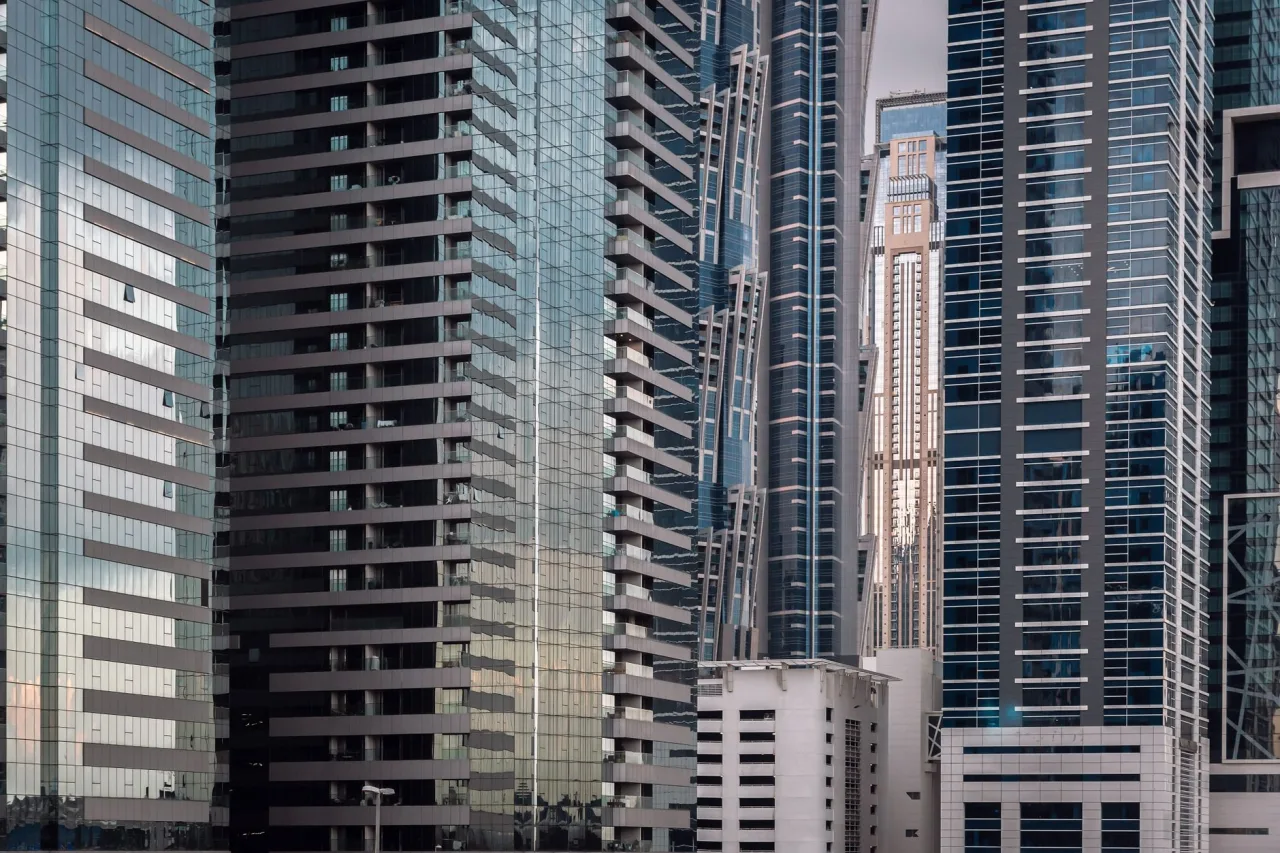
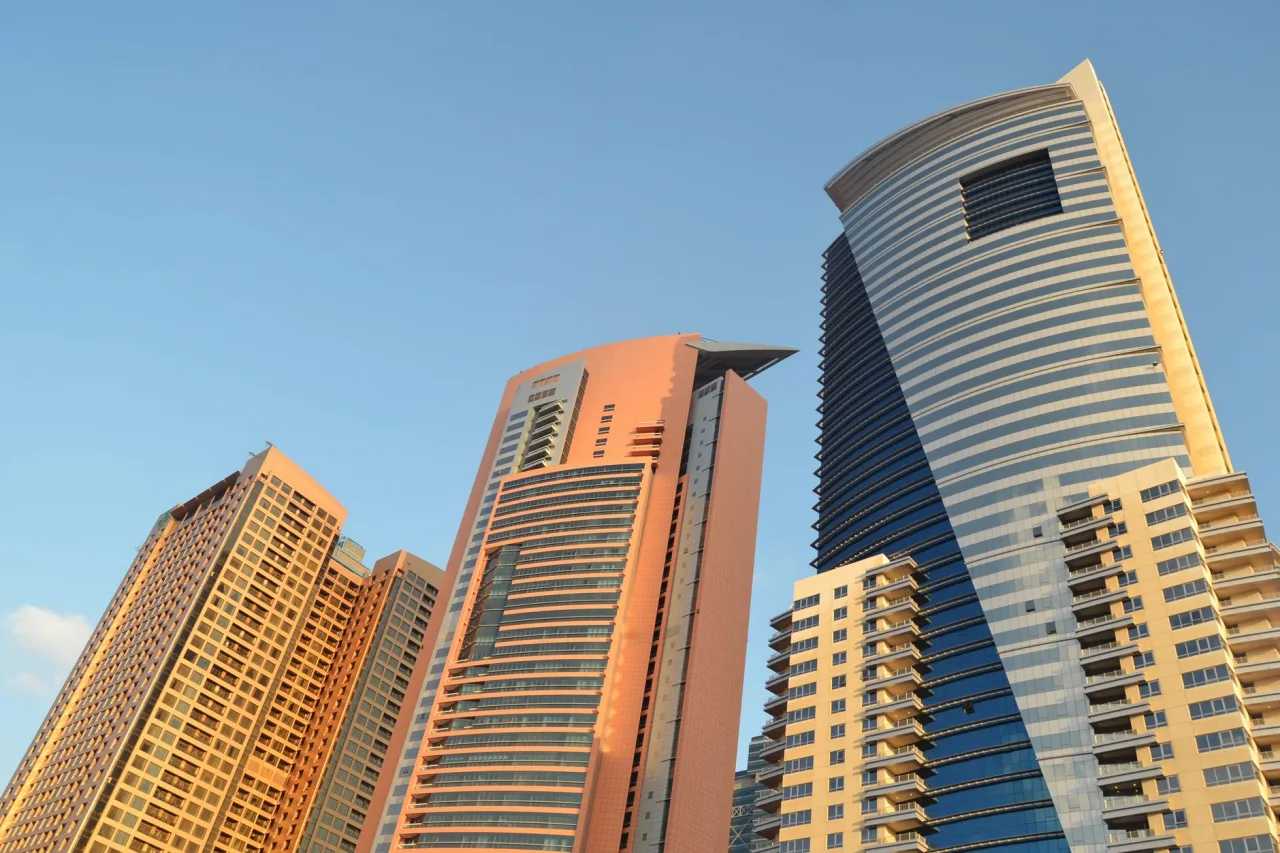
UAE buildings face conditions that punish neglect. Air conditioning runs for months at high load, so chillers, pumps and split systems wear faster and demand disciplined servicing. Coastal humidity in Dubai, Abu Dhabi and Sharjah drives corrosion and mould where ventilation is poor. Fine desert dust clogs filters and coils continuously. And density means shared systems, lifts, common cooling and water tanks, serve many households at once, so a single failure affects everyone.
On top of the physical pressures, there is a regulatory layer. Utilities such as DEWA in Dubai, ADDC in Abu Dhabi and SEWA in Sharjah supply power and water, and technical work must meet the relevant authority standards. Contractors delivering these services also operate under trade licences issued through the relevant economic department, a framework you can review on the official UAE government business portal. Fire and life-safety systems in particular are governed by strict rules. Active building management is how owners stay compliant instead of discovering a problem during an inspection.
Hard services: the systems that keep a building alive
Hard services are where failure is most costly and most dangerous, so they deserve the most planning. The core areas are:
Cooling and HVAC: the single largest maintenance burden in a UAE building. Regular servicing keeps efficiency up and bills down. A dedicated HVAC technician or contract handles this.
Electrical: distribution boards, common-area lighting, backup supply and emergency systems, all needing periodic inspection.
Plumbing and water: supply, drainage and water-tank cleaning, which is a genuine hygiene requirement in the heat.
Lifts and escalators: safety-critical and subject to mandatory maintenance regimes.
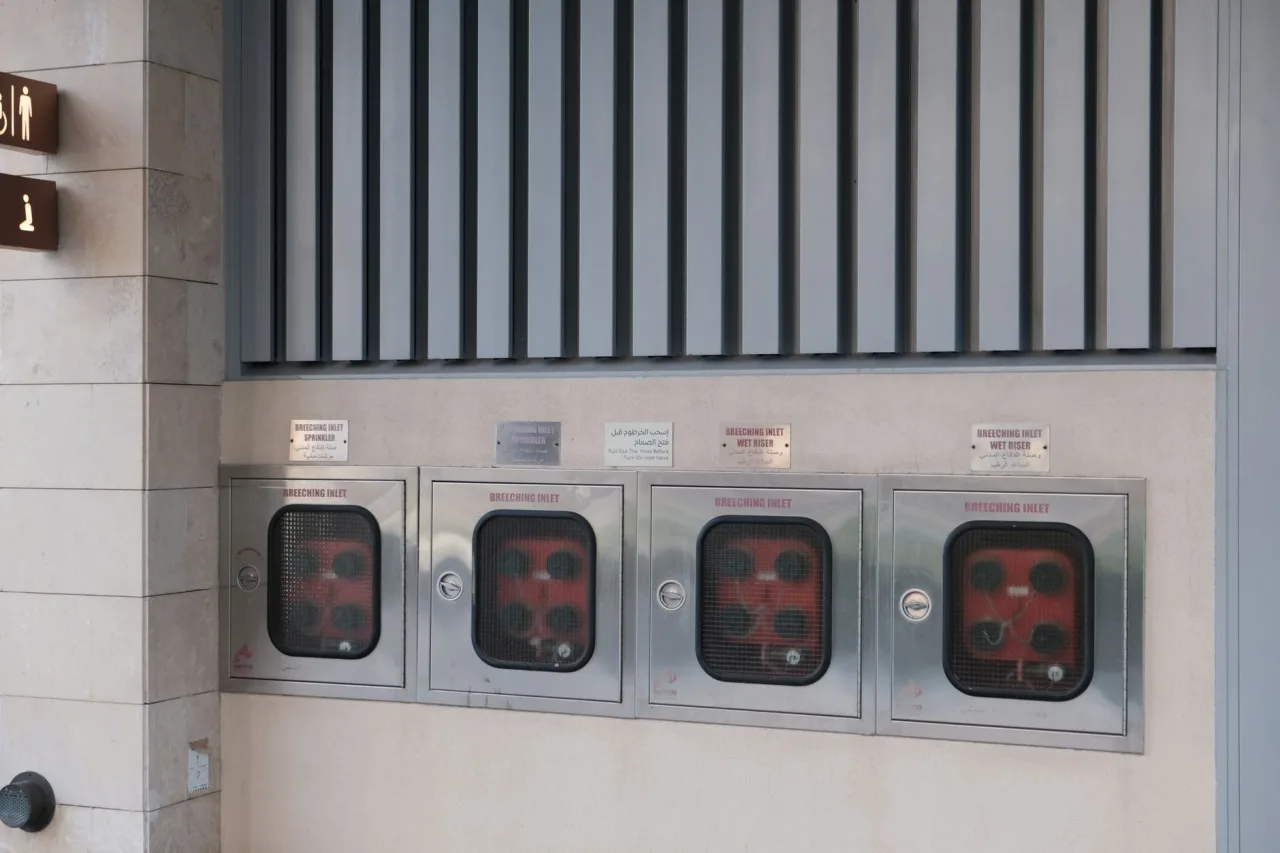
Fire and life safety: alarms, pumps, extinguishers and emergency lighting, maintained to code and never optional.
Tip: Keep an asset register, a simple list of every major system, its age and its service history. It turns building management from guesswork into planning, and it is the first thing a competent provider will ask to see or help you build.
Soft services: comfort, cleanliness and safety
Soft services shape daily experience. Clean common areas, working security, healthy landscaping and reliable waste collection are what residents and tenants actually notice. In a shared building these are usually delivered on a schedule: daily cleaning of lobbies, lifts and corridors, a security presence, and regular landscaping and pest control. Larger properties often bundle common-area and commercial cleaning into the same contract as the rest of soft services for a single point of accountability.
What building and facilities management costs
Costs depend entirely on the property, so treat the following as structure rather than fixed figures. These are indicative 2026 approaches, not rates from any company, and they move with building size, system complexity, service scope, emirate and contract length. A written, itemised quote against a defined scope is essential.
Per square foot per year: the common model for whole buildings, scaled to the systems and services included.
Fixed annual contract: a negotiated fee bundling scheduled maintenance and an agreed level of reactive support.
Villa or small-property packages: typically a few thousand dirhams per year for scheduled multi-trade visits, rising with size and system count.
Reactive call-outs: billed at trade rates on top of, or instead of, a contract.
In shared residential buildings, much of this is funded through community service charges collected from owners, which pay for the upkeep of common areas and shared systems. Whoever holds the budget, the principle is the same: a planned contract makes cost predictable, while a reactive-only approach trades predictability for the risk of expensive surprises.
The real difference: planning versus reacting
This is the heart of the guide. Calling a technician when the AC dies is maintenance. Building and facilities management is the discipline of preventing that failure in the first place through a structured schedule. A planned preventative maintenance programme inspects and services systems on a calendar, catching a worn part before it fails, which is almost always cheaper than the breakdown and its knock-on damage.
The financial logic is simple. Reactive-only management looks cheaper because you pay nothing until something breaks, but you then pay emergency rates, suffer downtime, and often deal with collateral damage such as a water leak from a neglected AC drain. Planned management spreads a predictable cost across the year and sharply reduces those emergencies. For owners weighing a full contract, our guide to choosing a building maintenance company goes deeper.
Warning: A building run purely on reactive fixes tends to decay invisibly until several systems fail close together. By then the repair bill and the disruption are far larger than a modest planned-maintenance budget would have been over the same period.
Choosing how to manage your building
You have three broad options, and the right one depends on scale. For a single villa or small property, a light home maintenance routine with trusted contractors is often enough. For a larger villa or a building, a comprehensive management contract with one provider gives coordinated, accountable care. For a community or commercial property with an owners association, professional facilities management with defined KPIs and reporting is usually the standard. Whichever you pick, insist on a written scope, clear response times and visibility into what is being done, so you are managing your building rather than just paying its bills.
Frequently asked questions
What is the difference between building maintenance and facilities management?
Building maintenance is fixing and servicing specific systems, often reactively. Facilities management is the broader, planned coordination of a whole property, covering both hard services like AC and electrical and soft services like cleaning and security, with the aim of preventing failures rather than just reacting to them.
How much does building and facilities management cost in the UAE?
Whole buildings are commonly priced per square foot per year or as a fixed annual contract, while villas and small properties often pay a few thousand dirhams a year for scheduled multi-trade visits. Prices vary by property size, provider and location, so a written quote against a defined scope is essential.
What are hard services and soft services?
Hard services are the engineered systems of a building, such as air conditioning, electrical, plumbing, lifts and fire safety. Soft services are the human-facing upkeep, such as cleaning, security, landscaping, waste management and pest control. Good building management covers both.
Is planned maintenance really cheaper than reactive repairs?
Usually, yes, over time. Reactive-only management looks cheaper because you pay nothing until something breaks, but you then pay emergency rates, suffer downtime and often deal with collateral damage. Planned maintenance spreads a predictable cost across the year and sharply reduces those emergencies.
Who pays for building maintenance in a shared residential building?
In shared buildings, upkeep of common areas and shared systems is usually funded through community service charges collected from owners. These pay for the cleaning, security, and maintenance of the parts of the property everyone uses.