Search "current electric" and you will find a mix of company names and people trying to understand electrical current in their own home. This guide takes the practical view: what electrical current is, how your UAE supply and load work, why circuits trip in the heat, and how to hire a licensed provider to sort it out. We do not endorse or represent any specific company using that name.
The short version
Current is the flow of electricity through a circuit, measured in amps. Every circuit and breaker in your home is rated for a maximum current.
Most UAE apartments run on single-phase supply, while many villas use three-phase to spread heavy loads like central AC.
Nuisance tripping in summer usually means a circuit is near its current limit under AC load, or there is a genuine fault to trace.
Load balancing, DB upgrades, and fault finding are electrician jobs. Prices vary by property, provider, and location, so get a written quote.
What "current" means in your home
Electrical current is the flow of charge through a conductor, measured in amperes (amps). Think of your wiring like plumbing: voltage is the pressure, current is the flow rate, and each cable and breaker can only carry so much before it overheats. That is why every circuit has a breaker rated in amps, and why an overloaded circuit trips rather than letting the cable get dangerously hot.
Your appliances draw current in proportion to their power. A phone charger sips a fraction of an amp. An AC compressor, water heater, or oven draws a lot. Understanding this makes sense of why some circuits trip and others never do, and it is the foundation of everything an electrician does when balancing a home. For the broader picture, see our complete guide to home electrics.
Single-phase versus three-phase supply
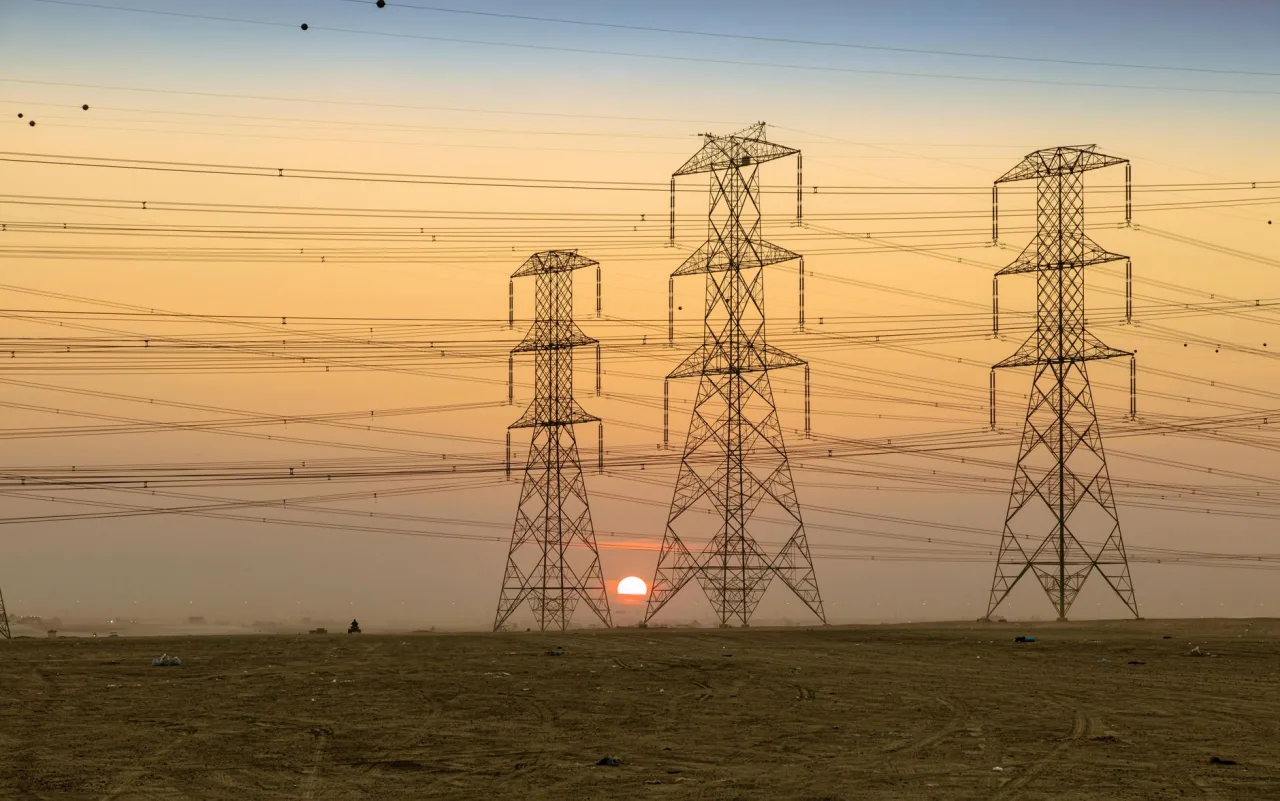
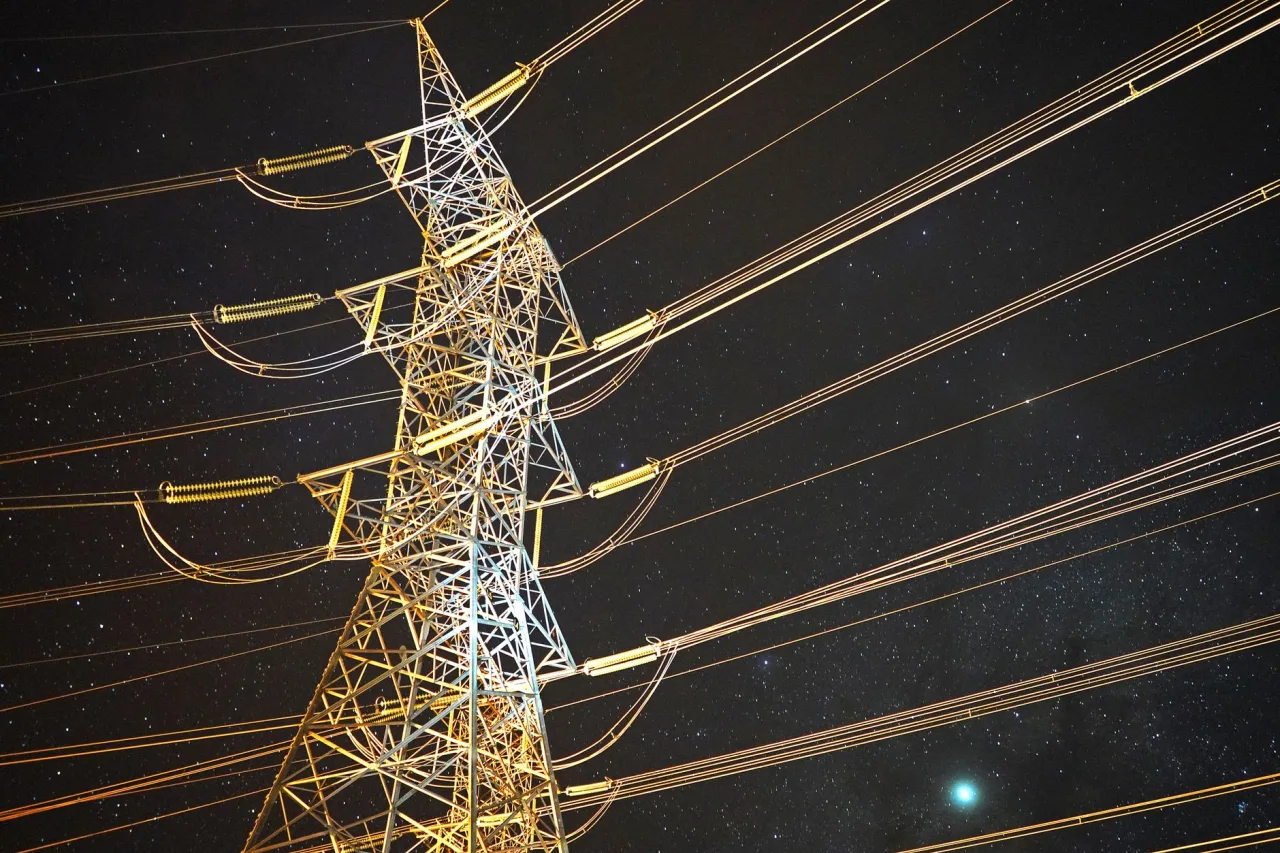
How current reaches your home depends on the supply type. Most apartments in the UAE run on single-phase power, which is fine for typical residential loads. Larger villas frequently use three-phase supply, which delivers power across three conductors and lets heavy loads such as central air conditioning, pool pumps, and multiple kitchens be spread more evenly.
Why it matters to you: on a three-phase villa, an electrician can balance loads across the phases so no single phase is overworked. Poor balancing is a common cause of one part of a house tripping while the rest is fine. If you are fitting out or extending a villa, phase balancing should be part of the plan. Our guide to wired electrical work covers the cabling side of this.
The UAE supply behind your meter
Before current reaches your DB, it comes from your emirate's utility. Dubai is served by DEWA, Abu Dhabi by Taqa Distribution, Sharjah by SEWA, and the northern emirates by Etihad Water and Electricity. Each requires a registered account tied to your tenancy or ownership documents, and connections for new or upgraded supply must go through a registered contractor. The UAE government portal summarises how each utility handles connections on its public utilities page.
This matters for current because any change to your incoming supply capacity, for example upgrading a villa to a larger main, is a regulated job coordinated with the utility, not something a general handyman can arrange.
Summer is peak current season
From May to September, air conditioning can run almost continuously. AC compressors draw heavy current, so circuits that coast through winter can sit near their limit in summer. If tripping only happens in the hot months, load is almost always the story. Have an electrician check circuit ratings before peak season rather than during a heatwave.
Why circuits trip: overload versus fault
There are two broad reasons a breaker or RCD cuts the current:
Overload. Too much current for the circuit rating, often from running several high-draw appliances at once, or an undersized breaker for the real-world load. The fix is redistributing load or upgrading the circuit.
Fault. A genuine problem such as a failing appliance, damaged cable, moisture in an outdoor connection, or an earth leakage that an RCD detects. The fix is finding and correcting the fault, not simply resetting.
Repeatedly resetting a breaker that keeps tripping is a mistake. It is telling you something. A licensed electrician uses proper test equipment to tell overload from fault, which is safer and cheaper than guessing. This diagnostic work overlaps with general electrical maintenance.
Managing load in a UAE home
You can reduce nuisance tripping and stay safe with a few habits:
Stagger heavy appliances. Avoid running the oven, water heater, and multiple AC units on the same circuit at once.
Give big loads dedicated circuits. Water heaters, ovens, and AC units should ideally each have their own line.
Do not chain high-draw devices on extension leads. Extension leads are for low loads, not appliances.
Test your RCD. Press the test button every few months to confirm it trips.
Review the DB before summer. An electrician can confirm circuits are correctly rated for peak AC load.
What it costs to sort current problems
Diagnosing and fixing current issues is priced like other electrical work: a call-out or minimum-visit fee, then labour and materials. As orientation only:
Call-out / minimum visit: roughly AED 100 to 250.
Fault finding / load diagnosis: around AED 150 to 400 depending on how much tracing is involved.
Adding a dedicated circuit: from about AED 200 upward, driven by cable run length and access.
DB or breaker upgrade: from around AED 800 into the low thousands for larger boards.
Villas cost more than apartments because there are more circuits, three-phase balancing, and often outdoor loads. These figures move with property size, provider, and location, so treat them as a starting point and always request a written, itemised quote.
A word on the "current electric" name
Because "current electric" is a common trading name, be careful you are actually dealing with a licensed contractor and not a generic listing. Confirm the trade licence and get the quote in writing. We do not represent any company using this name, and we never publish phone numbers or licence details we cannot verify.
How to hire the right electrician
The vetting checklist is the same whatever the job:
Confirm a valid electrical trade licence, and a registered contractor for supply-side work.
Insist on an itemised quote separating labour, materials, call-out, and VAT.
Ask about a workmanship warranty.
Check recent, consistent reviews rather than a single headline rating.
Keep the agreed scope in writing.
When you are ready to compare firms, our overview of the electrician's role and our honest guide to hiring electric companies near you both help. If your load problems trace back to air conditioning, a qualified AC technician should inspect the unit itself too.
Frequently asked questions
What does "current electric" mean when I search it?
It is a mix. Some results are companies that trade under that name, and some come from people trying to understand electrical current in their home. This guide focuses on the practical meaning of current and how to hire a licensed provider. Always verify you are dealing with a genuinely licensed contractor rather than an unverified listing.
How do I know if my home is single-phase or three-phase?
Look at your distribution board or ask an electrician. Most apartments are single-phase, while many villas are three-phase to handle central AC and larger loads. A quick inspection of the main incomer and the number of phases at the DB confirms it. Do not open live equipment yourself.
Why does my AC trip the breaker in summer but not winter?
Because summer AC load pushes the circuit close to or beyond its current rating. In cooler months the same circuit carries far less, so it never trips. If it happens repeatedly in the heat, an electrician should check whether the breaker is undersized or whether the AC unit itself is developing a fault.
Is it safe to keep resetting a breaker that trips?
No. A breaker that trips repeatedly is signalling either an overload or a fault. Continually resetting it can let a problem escalate. Have a licensed electrician diagnose the cause with proper test equipment before relying on the circuit again.
Can a handyman fix current or load problems?
Anything touching the distribution board, fixed wiring, or supply capacity should go to a licensed electrician, not a general handyman. A handyman can help with plug-in and minor tasks, but current and load work is squarely electrician territory in the UAE.