Electrical maintenance is the planned, ongoing care that keeps your wiring, distribution board and fittings safe and reliable, rather than waiting for something to fail. In the UAE, where air conditioning and water heaters run hard for months and humidity stresses connections, sensible maintenance is not a luxury. This complete guide explains what it covers, how approvals work across the emirates, what fair prices look like in dirhams, and how to choose the right provider.
The short version
Maintenance is preventive care of an existing system: inspecting, testing, tightening and replacing worn parts before they fail.
It is distinct from repair, which fixes a fault, and installation, which adds new wiring, though a good provider does all three.
Board-level and supply work must be done by contractors approved by the utility and cleared by your building, never casual labour.
Prices vary by property size, provider and location, so treat every figure here as a range and get a written quote before work starts.
What electrical maintenance actually covers
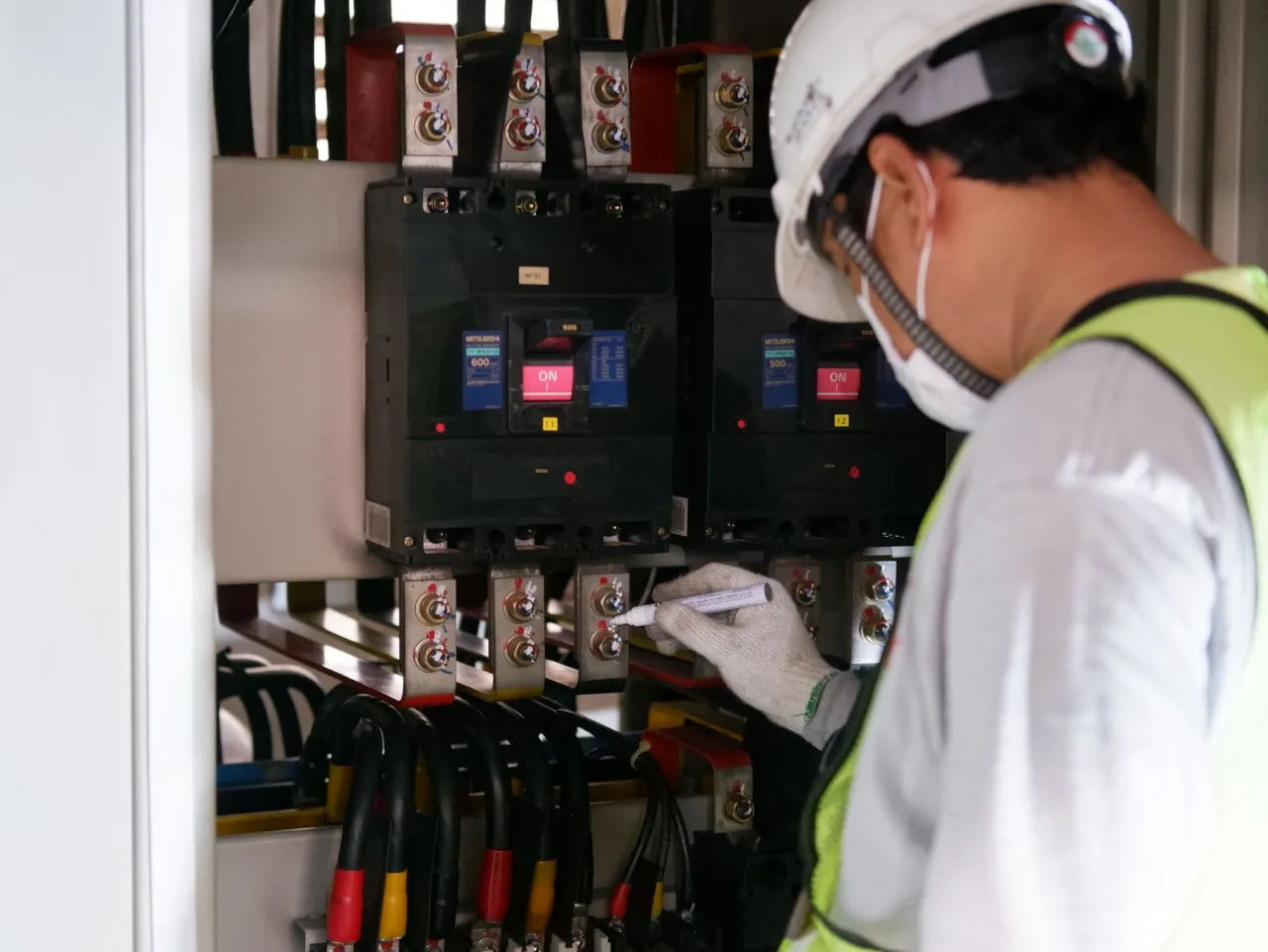
Maintenance is the routine that keeps a system healthy. For a home or building it usually includes inspecting the distribution board, testing protective devices such as circuit breakers and residual-current devices, checking earthing, tightening connections that heat and vibration loosen over time, and replacing tired sockets, switches and fittings before they fail. It also means looking for warning signs, discolouration, warmth, flickering or repeated tripping, and acting on them early.
This is different from a one-off repair, which our electrical repair guide covers, and from new work, which our electrical installation guide explains. Maintenance sits between them: it reduces the number of repairs you need and extends the life of what is already installed.
Why maintenance matters more in the UAE climate
The UAE puts unusual strain on electrical systems. Air conditioning runs for much of the year, water heaters and pool pumps add load, and summer humidity accelerates corrosion at connection points. General wiring references, including Wikipedia's article on electrical wiring, explain that cable sizes and protective devices are specified for the expected load and conditions, and that poor connections and overloaded circuits are a real fire risk. Heat and continuous use are exactly the conditions that loosen terminals and age fittings, which is why an annual check makes sense here even when nothing seems wrong.
Preventive care also protects the bigger picture. A weak connection that is tightened during a routine visit is a five-minute job. The same connection left to overheat can damage a fitting, trip a circuit repeatedly, or start a fire. Maintenance turns expensive emergencies into cheap, scheduled tasks.
What a maintenance visit typically includes
A thorough visit follows a predictable sequence so nothing important is skipped.
Visual inspection: the board, visible wiring, sockets and switches are checked for damage, discolouration and heat marks.
Protective device testing: breakers and residual-current devices are tested to confirm they trip correctly.
Earthing and connection checks: earthing is verified and loose terminals are tightened.
Load and labelling review: circuits are checked against their use, and the board is labelled clearly.
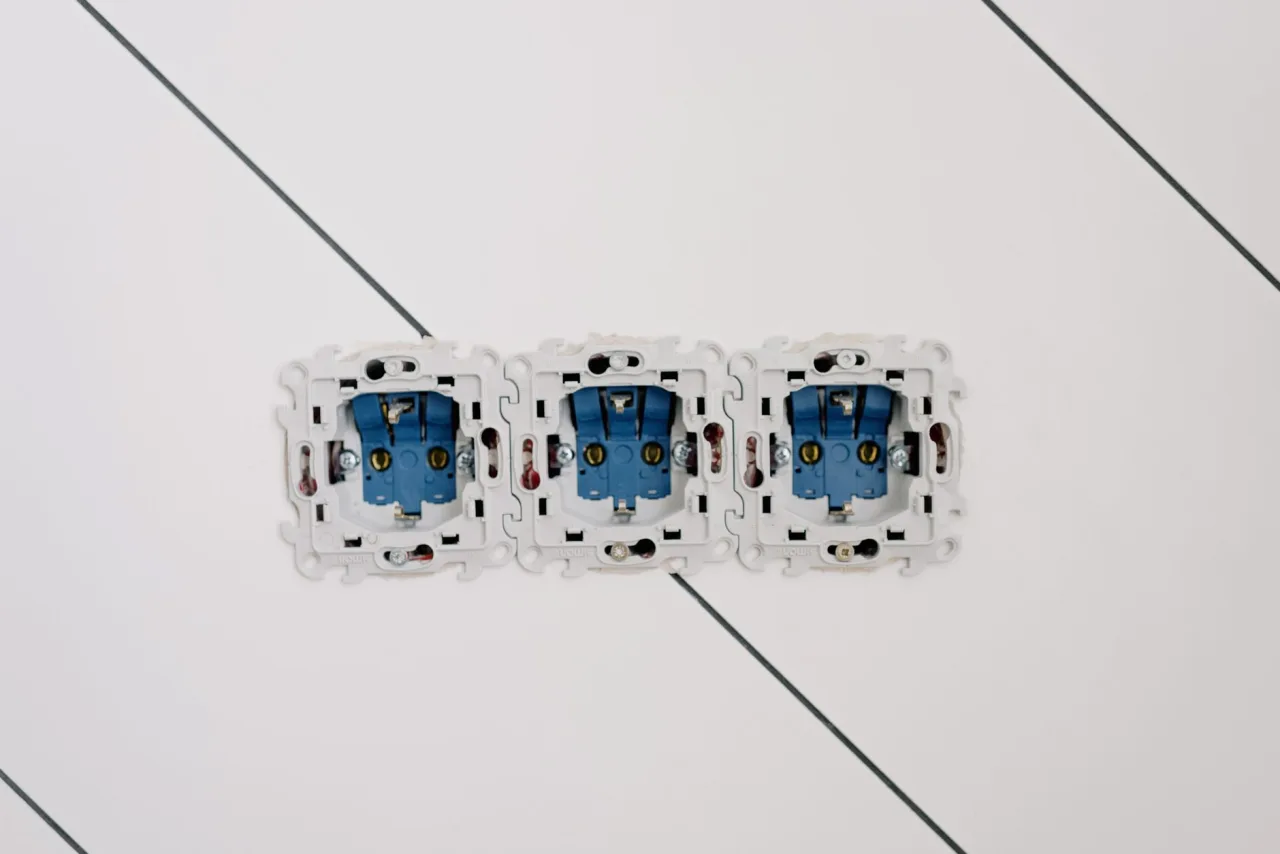
Minor replacements: worn sockets, switches or fittings are swapped where needed.
Report and recommendations: you receive a clear note of what was done and what needs attention next.
Tip: Ask for a written report after every visit, listing what was tested, what was replaced and what should be watched. This record is useful for your landlord or building management, and it helps the next technician pick up where the last one left off.
How maintenance fits a wider plan
Electrical maintenance rarely stands alone. In apartments and villas it is usually part of a broader upkeep routine that also covers plumbing, air conditioning and general repairs. Setting it on a schedule, rather than reacting to failures, is the essence of a planned approach, which our guide to planned preventative maintenance explains in detail. For the deeper technical background on how circuits and cabling are designed, our guide to electrical wiring is a useful companion.
For a whole building or community, maintenance is typically bundled into a facilities contract with defined visit frequencies and response times. For a single home, an annual check plus attention to any warning signs is usually enough.
What electrical maintenance costs in the UAE
Prices vary widely by property size, provider, contract type and location, so use these only as broad guidance and get a written quote before committing.
Call-out or inspection fee: often around AED 100 to 250, sometimes deducted if further work follows.
One-off home electrical inspection: commonly a few hundred dirhams, depending on property size and depth.
General hourly labour: often in the region of AED 80 to 200 per hour per technician for minor replacements during the visit.
Annual maintenance package: priced per property, with villas costing more than apartments because of extra circuits and outdoor areas.
Combined home maintenance contract: electrical bundled with plumbing and AC, priced per year and often better value than separate call-outs.
Villas cost more than apartments for equivalent maintenance because they have more circuits, longer cable runs, outdoor lighting and often two floors. Apartment maintenance can be simpler but is frequently constrained by building rules on timing and approved contractors. For how electrical care fits alongside other household upkeep, see our overview of home maintenance.
Approvals and licensing across the emirates
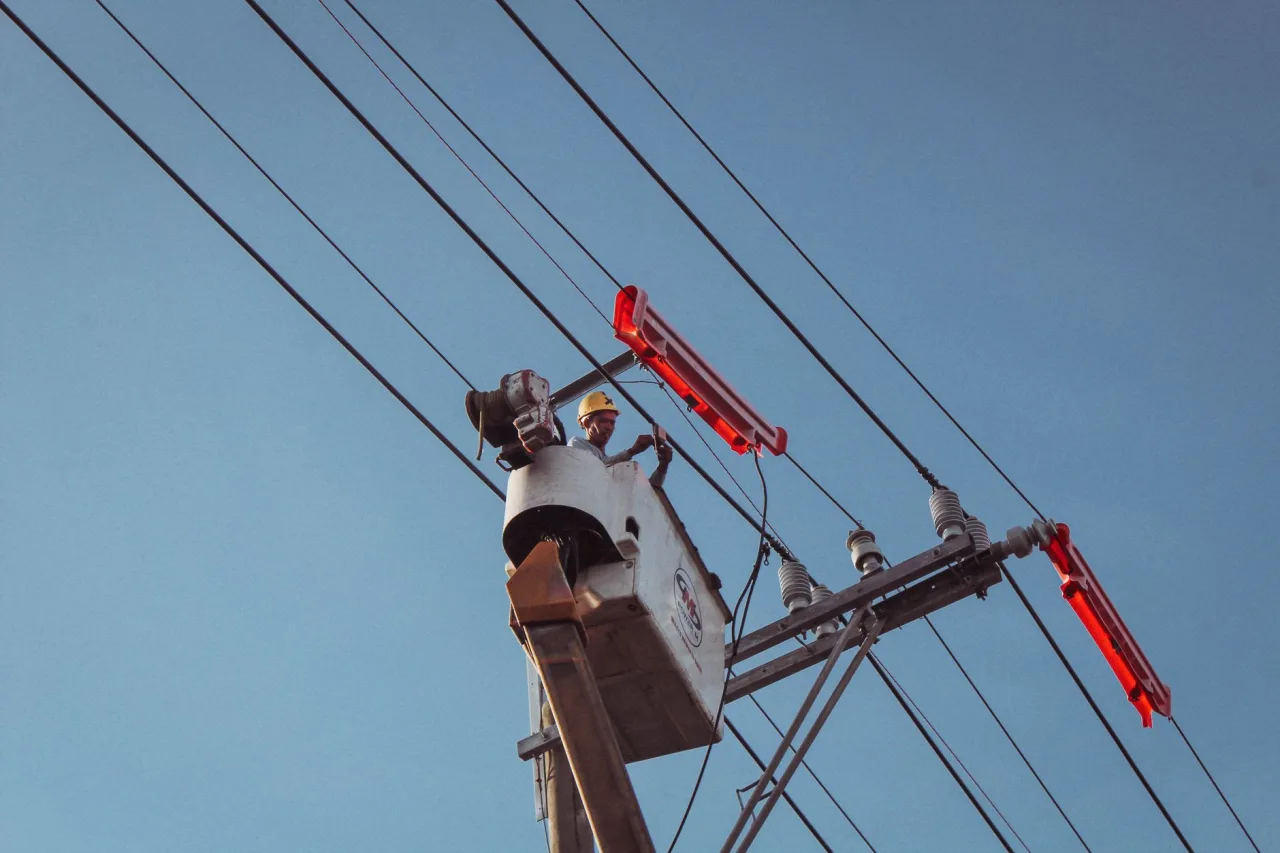
Any maintenance that touches the distribution board or the incoming supply is expected to be done by a contractor approved by the utility and cleared by your building. In Dubai, electricity and water are supplied and regulated by the Dubai Electricity and Water Authority, a public infrastructure company founded on 1 January 1992, as described in Wikipedia's DEWA overview. Municipal oversight adds another layer: Dubai Municipality, established in 1954, runs building regulation and safety functions, as noted in Wikipedia's Dubai Municipality overview.
Abu Dhabi and the Northern Emirates have their own distribution companies, and Sharjah its own authority, so approvals and paperwork differ by emirate. A contractor cleared in one tower or community is not automatically cleared in another. Timing is a shared reality too: during Ramadan working hours shorten, and late spring is busy as weak circuits reveal themselves when the cooling season begins, so schedule maintenance with lead time.
How to choose a maintenance provider
Vetting is mostly about confirming legitimacy and pinning down what you are paying for.
Confirm the trade licence and that you are dealing with a registered business, not an individual working off the books.
Check approvals for board or supply work with your building management or community.
Get the scope in writing: visit frequency, what is tested, what is included, and what counts as extra.
Ask about insurance and reporting: a legitimate provider carries liability cover and gives you a written report.
Read recent reviews for punctuality, thoroughness and whether recommendations felt honest rather than upsold.
Warning: Unlicensed labour is cheaper up front and genuinely risky. There is no insurance if something goes wrong, no accountability, and it can void your tenancy deposit or breach your lease. For anything at the board or supply, always confirm the contractor is approved for your tower or community before booking.
Frequently asked questions
What is the difference between electrical maintenance and repair?
Maintenance is planned, preventive care of an existing system: inspecting, testing, tightening and replacing worn parts before they fail. Repair is fixing a fault that has already occurred, such as a dead socket or a tripping breaker. Good maintenance reduces how often you need repairs.
How often should I have electrical maintenance done in the UAE?
For most homes an annual inspection is sensible, given the heavy air conditioning load and summer humidity that stress connections here. Act sooner if you notice warning signs such as flickering lights, repeated tripping, or warm or discoloured switches. Buildings and communities usually run maintenance on a scheduled contract with defined visit frequencies.
How much does electrical maintenance cost in the UAE?
As broad guidance, expect a call-out or inspection fee of roughly AED 100 to 250, a one-off home inspection of a few hundred dirhams, and hourly labour often in the region of AED 80 to 200 per technician. Annual packages are priced per property, with villas costing more than apartments. Prices vary by property size, provider and location, so get a written quote first.
Do I need an approved contractor for maintenance?
For anything touching the distribution board or the incoming supply, yes. That work is expected to be done by a contractor approved by the utility and cleared by your building. Most towers keep a list of approved contractors, so ask your building management before booking board-level work.
Can maintenance really save me money?
Usually, yes. Tightening a loose connection or replacing a tired fitting during a routine visit is cheap. Leaving it can lead to an overheated fitting, repeated tripping, appliance damage or a fire, all of which cost far more than the check that would have prevented them.