An electrical installation is everything that carries power from your meter to the last socket: the wiring, the distribution board, the circuits, and the protective devices that keep it all safe. This complete UAE guide explains what a proper installation involves, how approvals work in Dubai, Abu Dhabi and Sharjah, what fair prices look like in dirhams, and how to hire a contractor who does the job right the first time.
The short version
Installation is new or replacement work: wiring, circuits, distribution boards and fixed points, not just a quick repair.
Permanent electrical work in the UAE is tied to the utility and municipality, so it should be done by approved contractors, never casual labour.
Small point installs are quick and priced per point; rewires, board changes and villa fit-outs are project priced and run into the thousands of dirhams.
Prices vary by property size, provider, fittings and location, so treat every figure here as a range and always get a written quote before work starts.
What "electrical installation" actually means
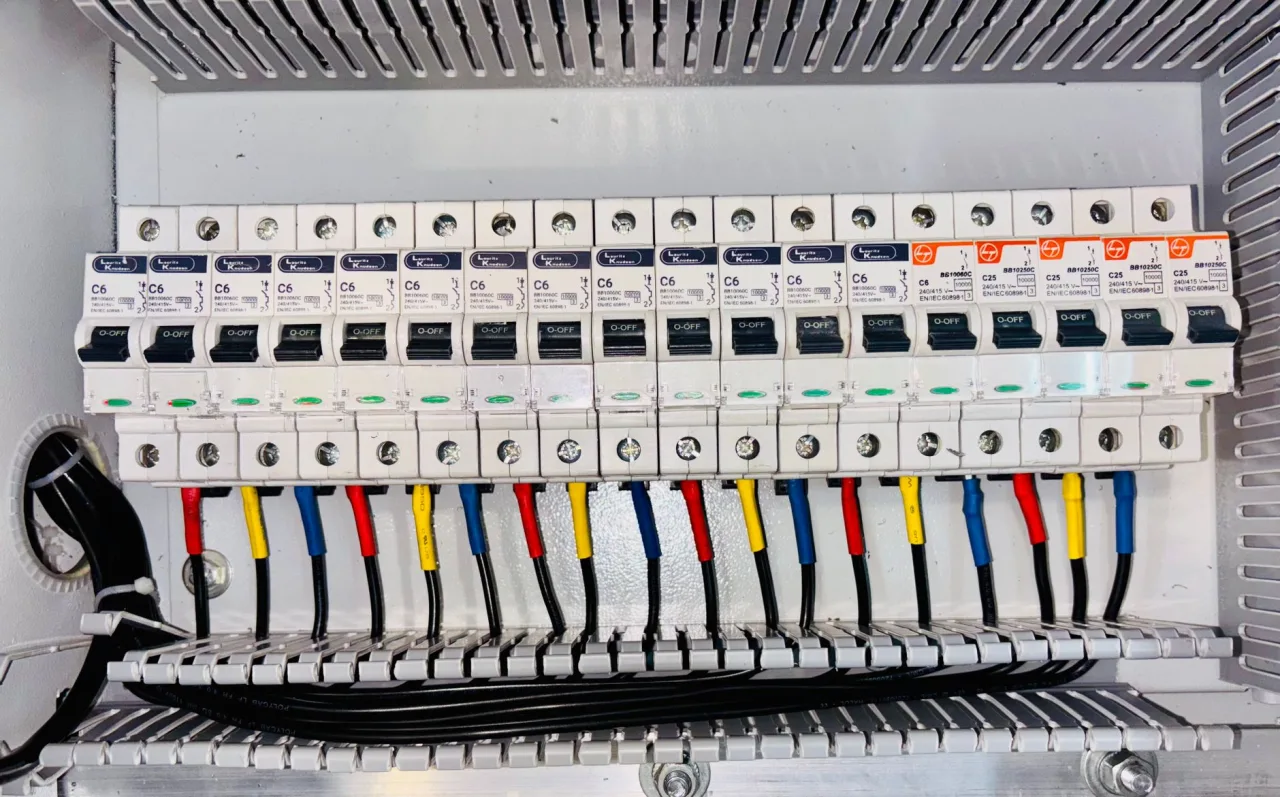
People use the word loosely, so it helps to be precise. An electrical installation is the fixed wiring system of a property: the cables buried in walls and ceilings, the distribution board (often called the DB or consumer unit), the circuit breakers and residual-current devices, the earthing, and the sockets, switches and fixed appliance connections fed by all of it. Installing means adding to or replacing any of that permanent infrastructure, as opposed to a simple repair like resetting a tripped breaker.
General wiring references, including Wikipedia's article on electrical wiring, note that allowable cable types and sizes are specified according to the circuit voltage and current, with further limits for temperature, moisture and other conditions, and that protective devices such as circuit breakers and residual-current devices are part of the installation, not optional extras. In the UAE, where air conditioning and water heaters run hard for months, sizing cables and protection correctly is not a formality: it is what stops an overloaded circuit becoming a fire.
If your need is a fault or a single swap rather than new work, our broader electrician guide covers repairs and small jobs. This page focuses on installation.
Types of electrical installation work
Most residential installation jobs in the UAE fall into a predictable set. Knowing which one you need helps you describe the scope and get an accurate quote.
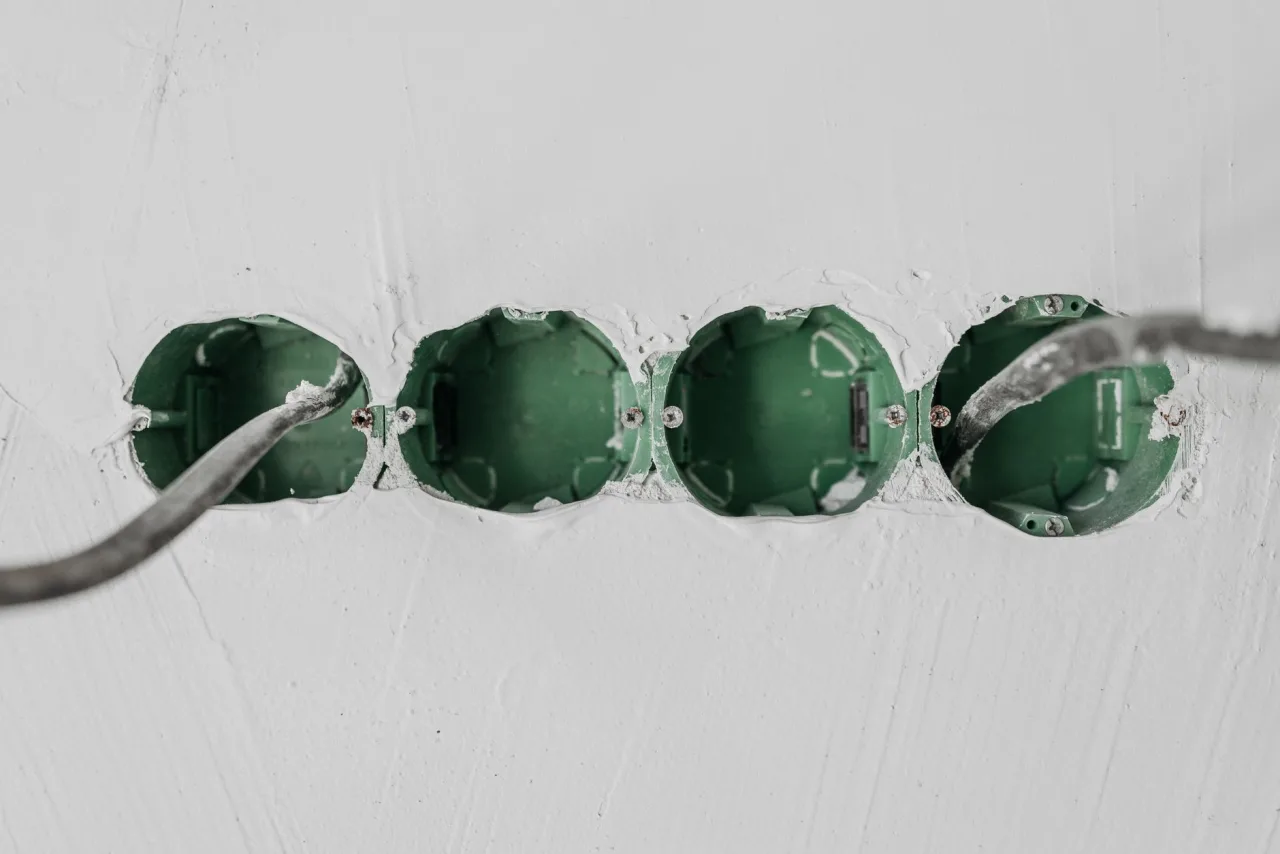
New points and circuits: adding sockets, a dedicated line for an oven, cooker or water heater, or power for a new AC unit.
Lighting installation: downlights, chandeliers, feature and outdoor lighting, plus the switching and dimming behind them.
Distribution board work: replacing or upgrading the consumer unit, adding residual-current protection, and correctly labelling circuits.
Rewiring: partial or full replacement of aged or unsafe wiring, common in older villas and long-let apartments.
Fit-out and renovation wiring: the electrical layout for a kitchen refit, a majlis, a home office or a full villa fit-out.
Smart and safety systems: smart switches, additional earthing for wet areas, and protective upgrades.
The deeper you go into this list, the more it stops being a handyman task. Detailed cable routing, board changes and rewiring belong to a specialist, which our guide to electrical wiring explains in more depth.
Approvals and licensing: why they matter here
This is the single most important thing to understand before you install anything. In the UAE, running an electrical or contracting business requires a trade licence from the relevant economic department, and permanent electrical work is expected to be carried out by contractors approved by the utility and cleared by the municipality and your building.
Electricity in Dubai is supplied and regulated by the Dubai Electricity and Water Authority, a state-run utility formed on 1 January 1992 to provide reliable electricity and water across the emirate, as described in Wikipedia's DEWA overview. Because the utility owns the meter and the supply up to your board, any installation that touches that supply is expected to follow its rules. Municipal oversight adds another layer: Dubai Municipality, established in 1954, runs a buildings regulation and permits function and an environment, health and safety agency, as noted in Wikipedia's Dubai Municipality overview.
Warning: Unlicensed labour is cheaper up front and genuinely risky. There is no insurance if something goes wrong, no accountability, and it can void your tenancy deposit or breach your lease. For installation work in particular, always confirm the contractor is approved for your tower or community before booking.
What electrical installation typically costs in the UAE
Prices vary widely by property size, provider, brand of fittings and location, so use the following only as broad guidance and get a written quote before work begins. Installing a single point is very different from a project priced on materials and labour hours.
Call-out or inspection fee: often around AED 100 to 250, and many companies deduct it if you proceed.
New socket or switch point: commonly AED 100 to 400 in labour per point, depending on chasing walls, cable run and finish.
Light point or downlight install: often AED 100 to 350 per point, more for chandeliers and heavy feature fittings.
Dedicated appliance circuit (oven, water heater, AC): frequently several hundred dirhams per circuit, driven by distance to the board.
Distribution board replacement or upgrade: a project quote often running from around AED 1,500 into several thousand, depending on circuit count.
Partial or full rewire: a substantial project quote, highly dependent on property size and access.
Villas almost always cost more than apartments for the same task, because there are more circuits, longer cable runs, outdoor areas and often two floors. Apartment installation is frequently constrained by building rules on timing, noise and approved contractors. For how this fits the wider cost picture, see our overview of home maintenance.
Tip: Ask whether the quote is fixed price or time and materials, whether fittings are supplied by you or the contractor, and whether workmanship carries a warranty. Get the make and model of the board and breakers in writing: cheap unbranded protection is a common corner to cut.
How an installation job should run
A well-run installation is not just someone turning up with a drill. Expect a clear sequence so nothing is a surprise.
Survey and quote: the contractor inspects the board, the load and the routes, then issues an itemised written quote and scope.
Approvals: for board or supply work, they confirm they are cleared to work in your building or community.
Isolation and safety: circuits are safely isolated at the board before any work, with the property made safe during the job.
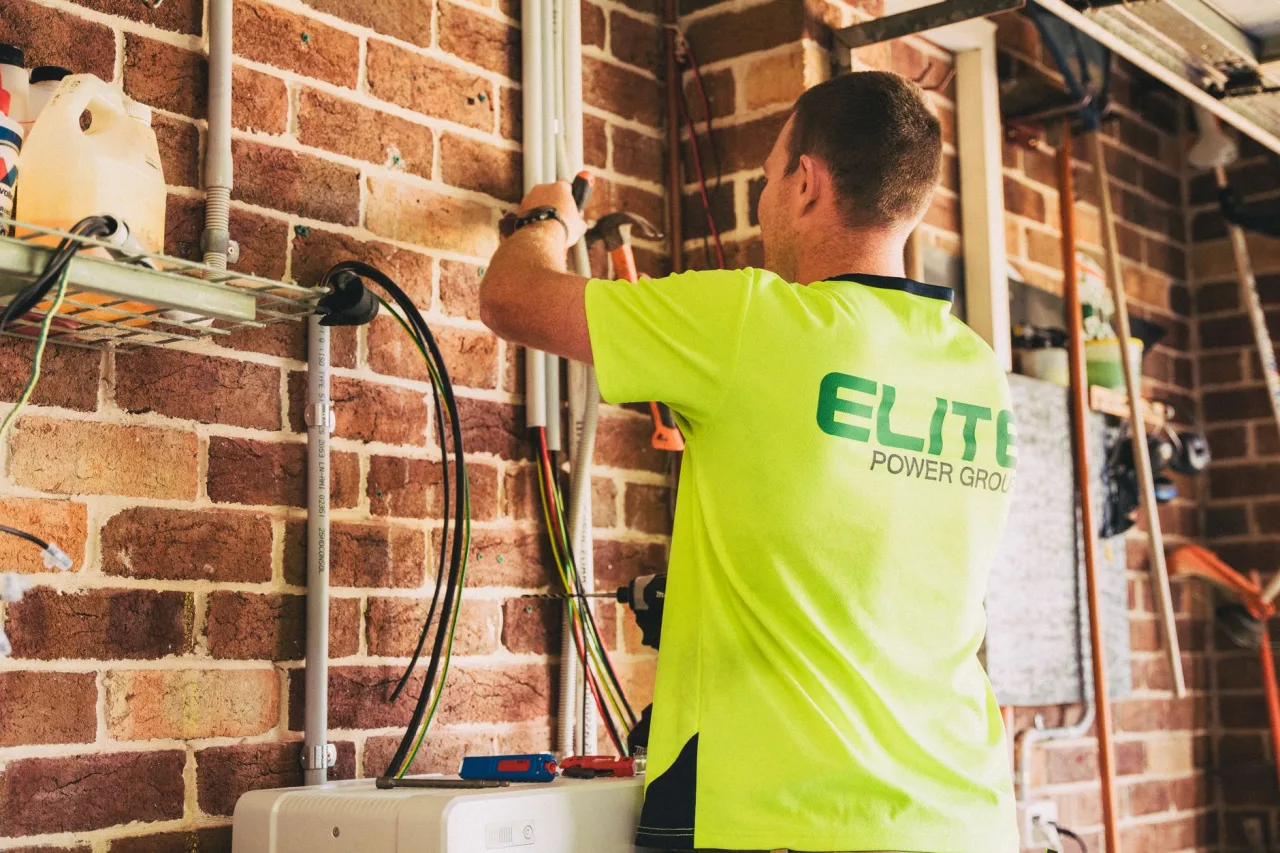
Installation: cables are sized and routed, points fitted, and protection installed to standard.
Testing: earthing, circuit protection and each new point are tested before the board is re-energised.
Handover: circuits are labelled, the workspace cleaned, and any warranty confirmed in writing.
Skipping testing is the quiet failure mode. A point that "works" is not the same as one that is earthed and protected correctly, which is why a proper installer tests rather than just checks that the light comes on.
Dubai, Abu Dhabi and Sharjah: what differs
The trade is broadly similar nationwide, but the paperwork and approvals differ by emirate. In Dubai, DEWA is the single utility for power and water, which keeps connections and approvals centralised. Abu Dhabi and the Northern Emirates have their own distribution companies, and Sharjah is served by its own electricity and water authority, so the names on approvals and the process differ. A contractor cleared in one tower or emirate is not automatically cleared in another, so confirm local approvals every time.
Timing is a shared reality. During Ramadan, working hours are reduced and many contractors adjust schedules, so book installation work with more lead time. Summer humidity and heavy air conditioning load also make late spring a busy period for board upgrades, since weak circuits tend to reveal themselves when the cooling season begins.
How to hire a good installation contractor
Vetting is mostly about confirming legitimacy and pinning the scope in writing. Work through this before you commit.
Confirm the trade licence and that you are dealing with a registered business, not an individual working off the books.
Check approvals for board or supply work with your building management or community.
Get an itemised written quote covering labour, materials, any call-out fee and the make of protective devices.
Ask about insurance and warranty: a legitimate contractor carries liability cover and stands behind the workmanship.
Read recent reviews for punctuality, cleanliness and whether the final bill matched the quote.
For a bigger project such as a rewire or fit-out, it is worth comparing a couple of contractors. Our guide to hiring an electrical contractor covers vetting larger jobs, and once the installation is in, our piece on electrical maintenance explains how to keep it safe over time.
Frequently asked questions
What is the difference between electrical installation and repair?
Installation is new or replacement work on the fixed wiring system: adding points and circuits, replacing the distribution board, or rewiring. Repair is fixing an existing fault, such as a tripping breaker or a dead socket. Installation is more likely to need utility and building approvals because it changes the permanent infrastructure.
Can a handyman do electrical installation in the UAE?
For trivial, non-structural swaps a licensed general handyman may be fine, but genuine installation work, meaning new circuits, board changes or rewiring, should be done by a contractor approved by the utility and cleared by your building. This protects your safety, your insurance and your tenancy.
How much does electrical installation cost in the UAE?
As broad guidance, expect a call-out fee of roughly AED 100 to 250, new points around AED 100 to 400 in labour each, and larger work such as a board upgrade or rewire running from around AED 1,500 into several thousand. Prices vary by property size, provider, fittings and location, so always get a written quote first.
Do I need approval to install new wiring in my apartment?
Anything touching the distribution board or the incoming supply is expected to be done by an approved contractor and often needs clearance from your building management. Most towers keep a list of approved contractors, so ask them before booking, especially for board work or new dedicated circuits.
Is installation more expensive in a villa than an apartment?
Usually yes. Villas have more circuits, longer cable runs, outdoor areas and often multiple floors, so the same installation takes longer and needs more material. Apartment work can be cheaper per point but is often constrained by building rules on timing and approved contractors.