The phrase "power facility management" is searched for two ways: some people mean a specific named provider, while others mean the power and energy side of facilities management, the part that keeps a building electrified, cooled and running efficiently. This guide takes the second, more useful reading and explains how the electrical and energy dimension of FM works in the UAE, what it covers, how it is priced, and how to judge a provider on it. We are an independent blog and not affiliated with any FM company.
The short version
The power side of FM covers electrical maintenance, standby generators, and energy management, which is a large slice of a UAE building running cost.
In a hot climate, air conditioning dominates the electricity bill, so managing power well is mostly about managing cooling load.
Utilities such as DEWA set the rules for connections and metering, and reputable FM providers work within them rather than around them.
Prices vary by property size, provider and location, so agree the scope and service levels, then get a written, itemised quote.
What "power" means inside facilities management
Facilities management divides into hard services, the engineered systems, and soft services, the people facing ones. Power sits firmly on the hard side. As the overview of facility management notes, hard FM includes electrical systems, HVAC and the plant that keeps a building operational. Within that, the power dimension has three practical strands:
Electrical maintenance: distribution boards, wiring, protection devices, lighting and small power, kept safe and inspected on a schedule.
Backup power: standby generators and, in larger buildings, UPS systems that keep life safety and essential services running during an outage.
Energy management: monitoring and reducing consumption, which in the UAE is dominated by air conditioning.
In a temperate country, a building electrical system ticks along in the background. In the UAE it works hard year round, because cooling runs for most of the year and the electrical load that comes with it is heavy and continuous. That has two consequences. First, electrical components and switchgear run hotter and for longer, so preventive inspection genuinely prevents failures. Second, the electricity bill is large enough that even modest efficiency gains are worth chasing.
The scale of the utilities behind this makes the point. Dubai Electricity and Water Authority, DEWA, serves hundreds of thousands of customers and runs a very large installed generating capacity, and it also operates district cooling through a subsidiary. A building that manages its power and cooling well pays noticeably less into that system than one that does not.
Electrical maintenance: the safety foundation
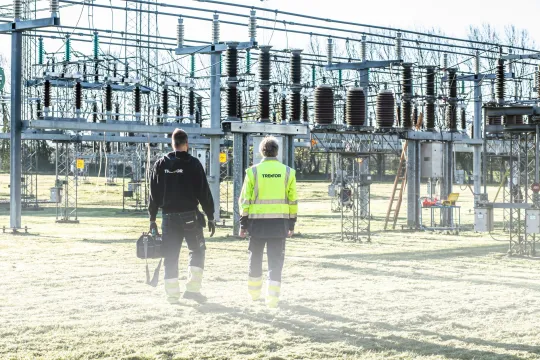
The first job of power FM is keeping the electrical system safe. That means periodic inspection of distribution boards, thermal checks on connections that can loosen and overheat, testing of protection devices, and prompt repair of faults rather than patching them. In shared buildings this is not optional: it protects residents and it protects the owner from liability. Any electrical work must be carried out by competent, licensed people, because unlicensed wiring is both dangerous and uninsurable. Our guide to electrical installation covers what good practice looks like, and the standards that responsible providers follow.
Tip: thermal imaging catches faults early
A loose or corroded electrical connection heats up before it fails. Providers who include periodic thermal imaging of distribution boards in their PPM schedule can find and fix hotspots during a routine visit, avoiding an outage or, worse, a fire. Ask whether it is part of the scope.
Backup power and resilience
Reliability is the second strand. Larger buildings carry standby generators so that lifts, fire systems, pumps and essential lighting keep working if utility power drops. A generator is only useful if it is maintained and tested, so power FM includes scheduled generator servicing, fuel checks and load testing. Skipping this is a false economy, because a generator that fails to start during an outage defeats its entire purpose. In critical settings, uninterruptible power supplies bridge the seconds before the generator takes over. The theme running through all of it is planned maintenance rather than reaction, which is why a proper schedule matters: our guide to planned preventative maintenance explains how one is built.
Energy management: where the savings are
The third strand is where power FM pays for itself. In a UAE building, air conditioning is usually the largest single consumer of electricity, so energy management is mostly about running cooling more efficiently. Practical measures include:
Keeping AC systems clean and serviced, since dirty coils and clogged filters make cooling work harder for the same result.
Sub metering so consumption can be seen by area or tenant, which is the first step to reducing it.
Efficient lighting and controls, such as LED retrofits and occupancy sensors in common areas.
Monitoring and targeting, tracking consumption over time to spot waste and verify that changes actually worked.
Larger operators run this through a computer aided system so consumption data and maintenance history sit together. Our overview of computer aided facility management explains how that reporting works, and a smart building management system can automate much of it.
How the power side of FM is priced
Power related FM is rarely sold as a standalone line with a fixed price, because it is usually bundled into a wider hard services or integrated contract and scaled to the building. Pricing is built from a survey, an agreed scope and target service levels. As broad indications only:
Electrical PPM within an FM contract is generally part of a per square foot per year figure for building wide agreements.
Residential annual maintenance contracts that include electrical upkeep often fall around AED 800 to 2,500 per year for apartments and roughly AED 2,000 to 6,000 or more for villas.
Generator servicing is usually a separate scheduled cost based on the unit size and number of visits.
One off electrical call outs carry a call out fee plus parts.
Every figure is a range, not a promise. Prices vary by property size, provider and location, so get a written, itemised quote and compare like for like on scope. Remember that energy savings can offset the fee, so judge a proposal on total running cost, not just the maintenance line.
Warning: never treat electrical work as a place to cut corners
An unusually cheap electrical or FM quote can mean unlicensed labour, skipped inspections or excluded parts. With power systems the stakes are safety and fire risk, not just convenience. Confirm the provider is licensed and insured for electrical work, and that inspections and generator testing are actually in scope.
Judging a provider on the power side
Whether you found a firm called Power or any other name, judge it on the same points. Ask how electrical PPM is scheduled and whether thermal imaging is included, how standby power is tested, and how energy consumption is monitored and reported. Confirm the firm is licensed for electrical work and that its technicians are directly employed and insured. A provider that can show a real PPM schedule and talk sensibly about cutting your cooling load is worth more than one that quotes a low headline figure with a vague scope. For a wider view of matching a firm to your building, see our comparison of facilities management companies.
Frequently asked questions
Is power facility management a company or a service?
It can be either. Some people search the phrase looking for a specific named provider, while others mean the power and energy side of facilities management, covering electrical maintenance, backup generators and energy efficiency. This guide focuses on the service, because understanding what good power management involves helps you judge any provider, whatever it is called. We are independent and not affiliated with any FM firm.
What does the power side of FM cover?
It covers three strands: electrical maintenance of distribution boards, wiring, protection devices and lighting; backup power such as standby generators and UPS systems that are serviced and load tested; and energy management, which in the UAE is mostly about running air conditioning efficiently through clean systems, metering and monitoring.
Why is energy management so important in the UAE?
Because air conditioning runs for most of the year and is usually the largest single consumer of electricity in a building. Keeping AC clean and serviced, adding sub metering, using efficient lighting and monitoring consumption can meaningfully cut the electricity bill, which is large enough that even modest efficiency gains are worth pursuing.
How much does electrical and power FM cost?
It is usually bundled into a wider contract and set by survey and scope. As an indication only, residential maintenance contracts that include electrical upkeep often fall around AED 800 to 2,500 per year for apartments and roughly AED 2,000 to 6,000 or more for villas, with generator servicing and one off call outs priced separately. Prices vary by property size, provider and location, so get a written quote.
How do I check a provider handles electrical work safely?
Confirm the firm is licensed and insured for electrical work, ask how electrical preventive maintenance is scheduled and whether thermal imaging of distribution boards is included, and check that standby generators are tested regularly. Ensure technicians are directly employed and competent, because unlicensed electrical work is dangerous and uninsurable.